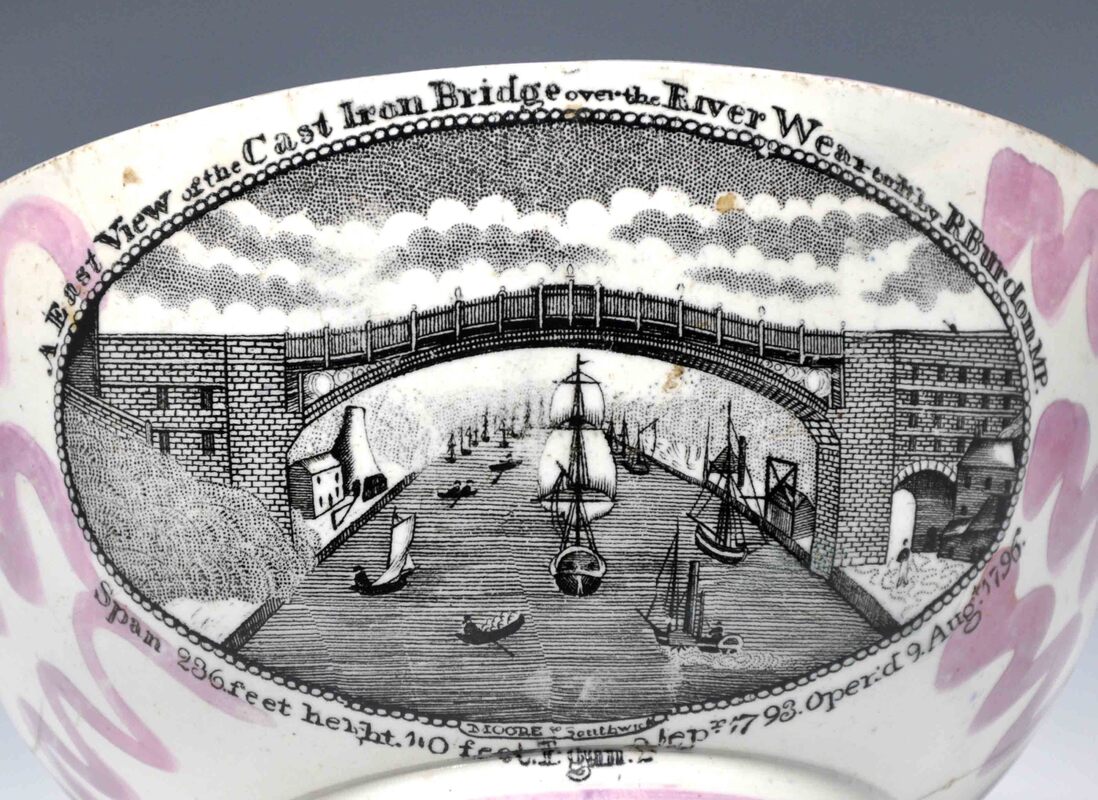
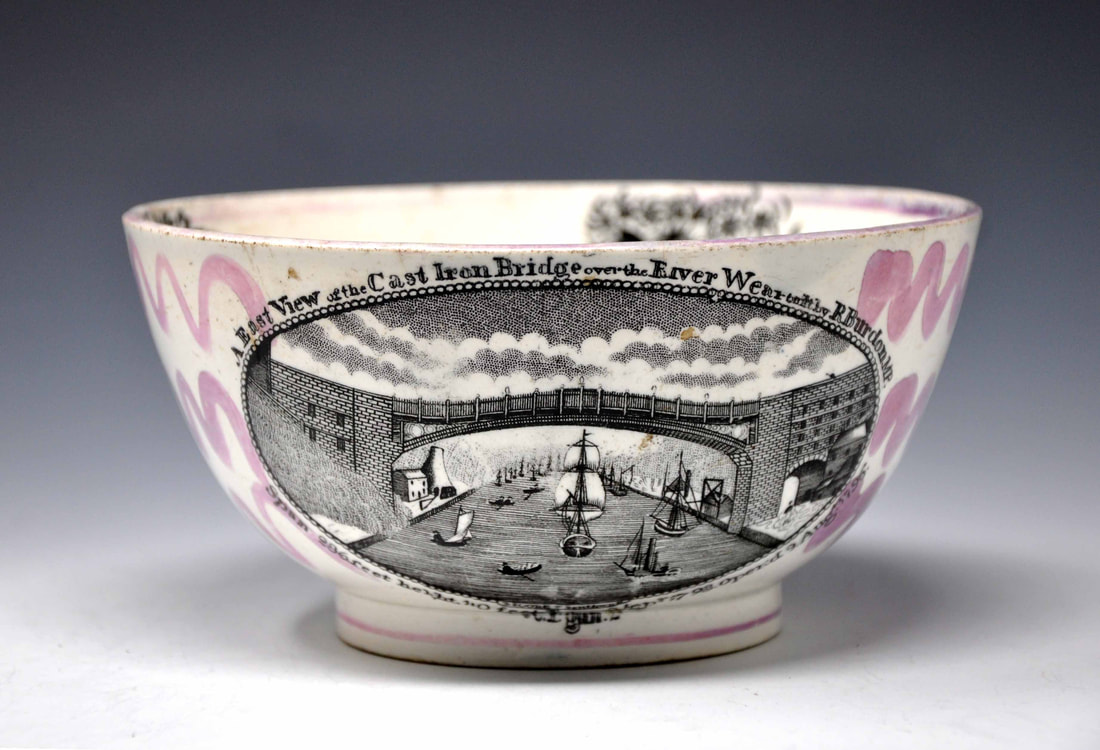
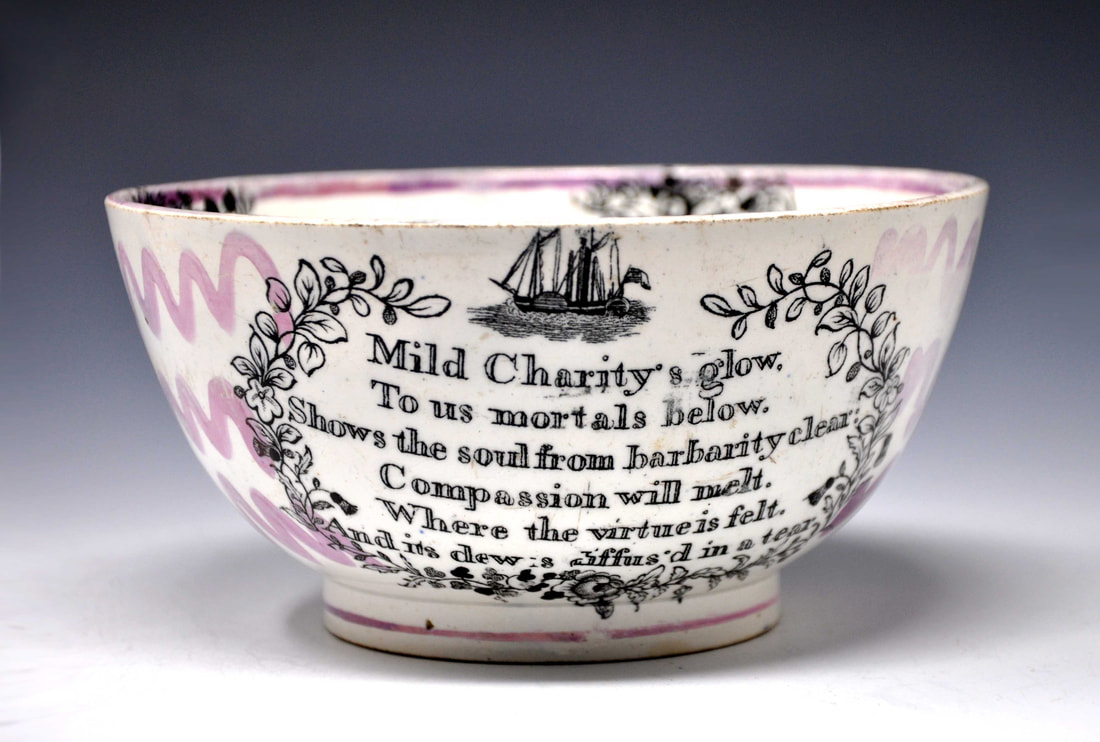
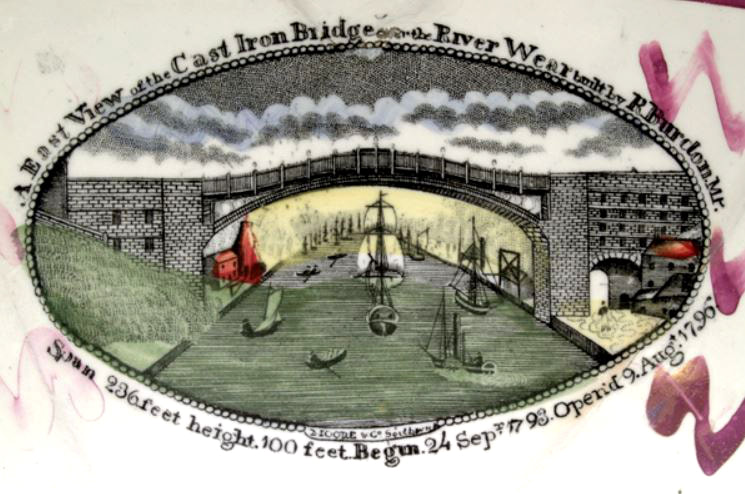
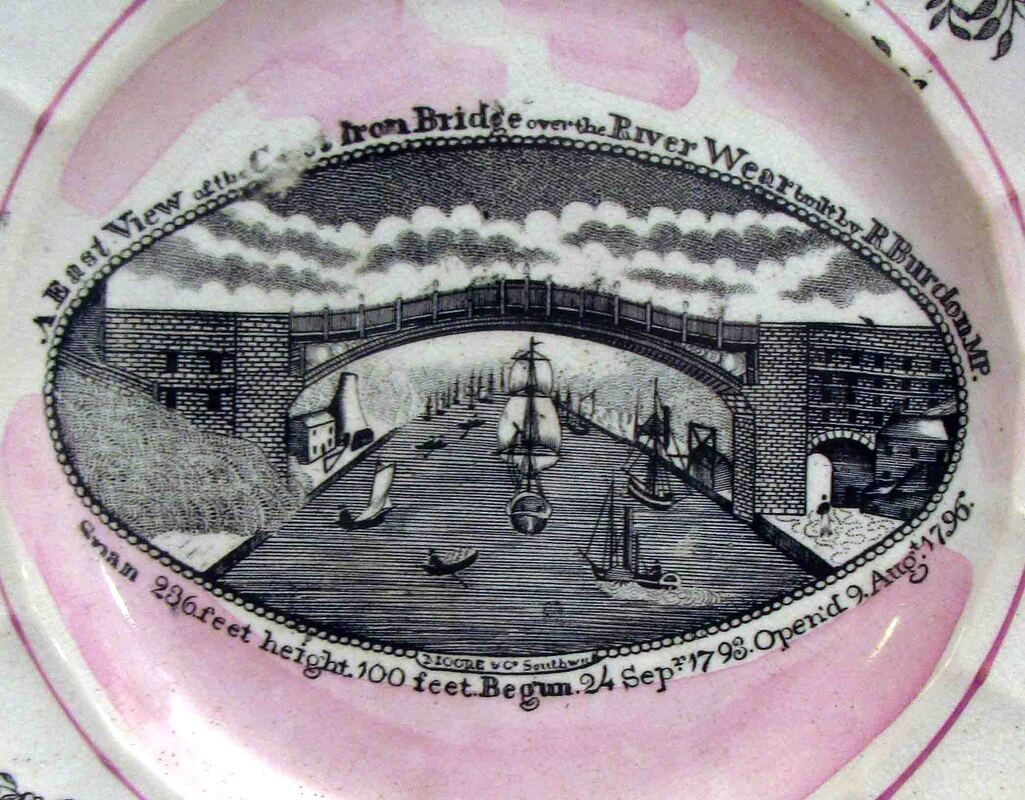
East view of the Cast Iron Bridge... (oval) – bridge 8
This view is said to show the Lord Duncan, the largest ship built in Sunderland at that time, passing under the bridge. The ship was launched in 1798, just a couple of years after the bridge opened. But any real acquaintance with the bridge would have been short lived, as she was blown up in 1807 by an explosion in San Domingo. However, images of the ship passing under the bridge continued to be used by Dawson, North Shields and Moore & Co into the 1840s and 50s.
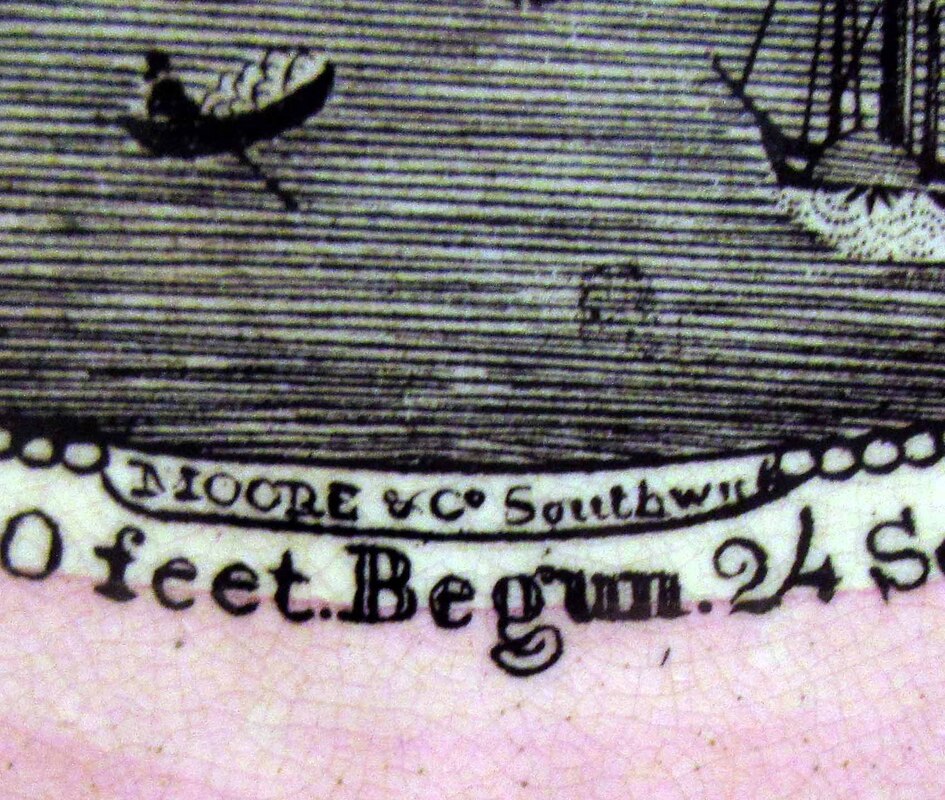
Moore & Co's Wear Pottery, Southwick
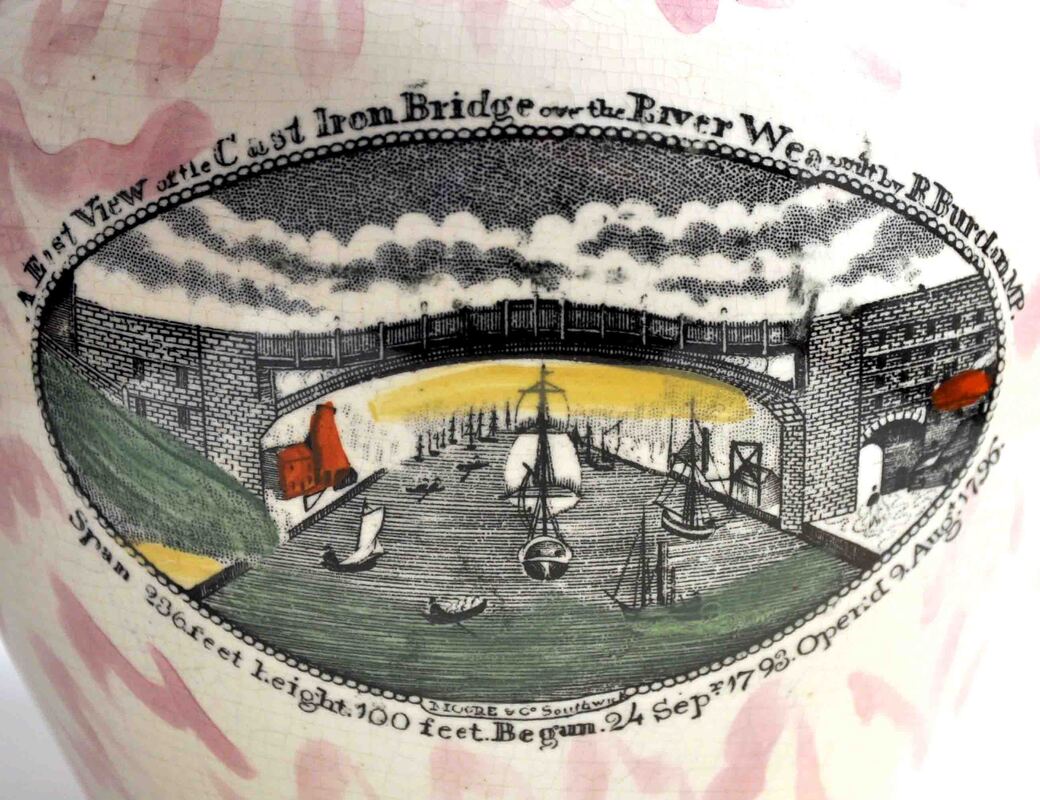
Baker's bridge 8 with a printed mark at the base of the transfer 'Moore & Co Southwick'.
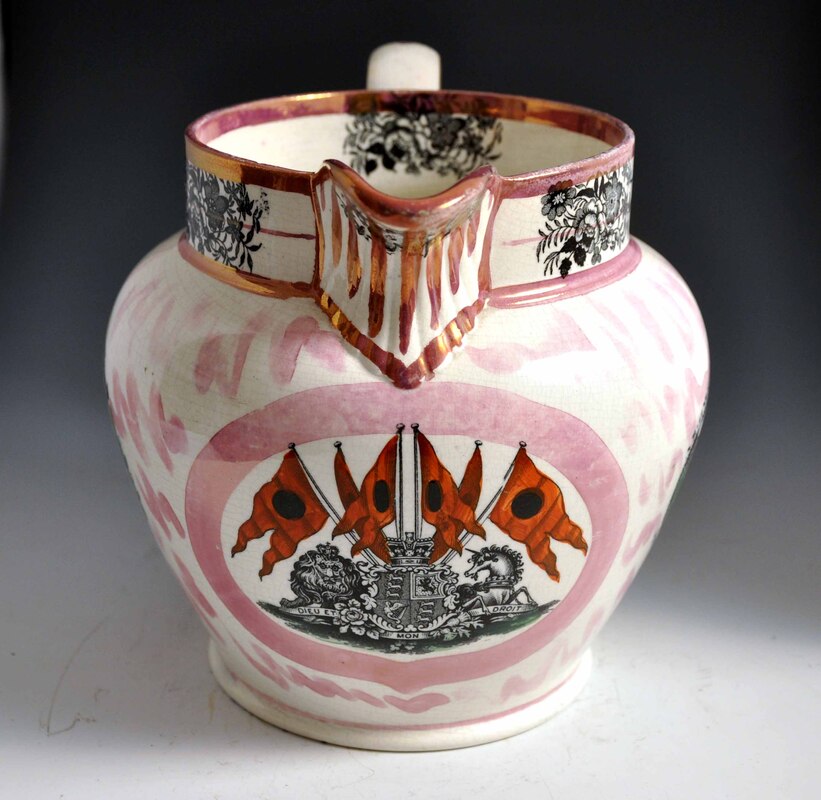
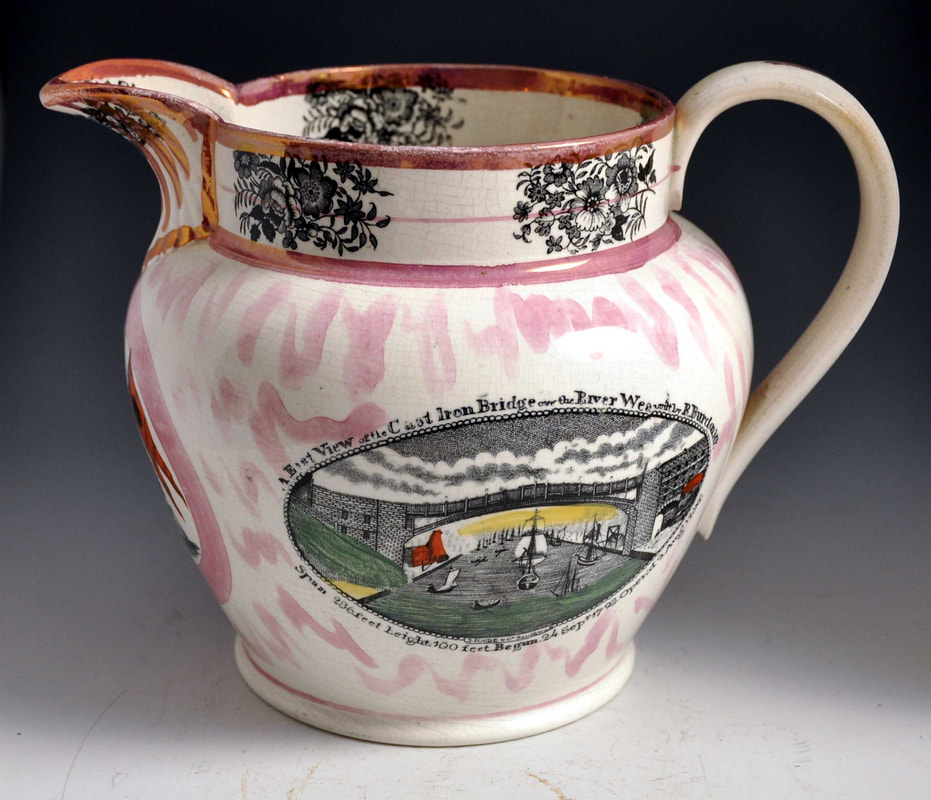
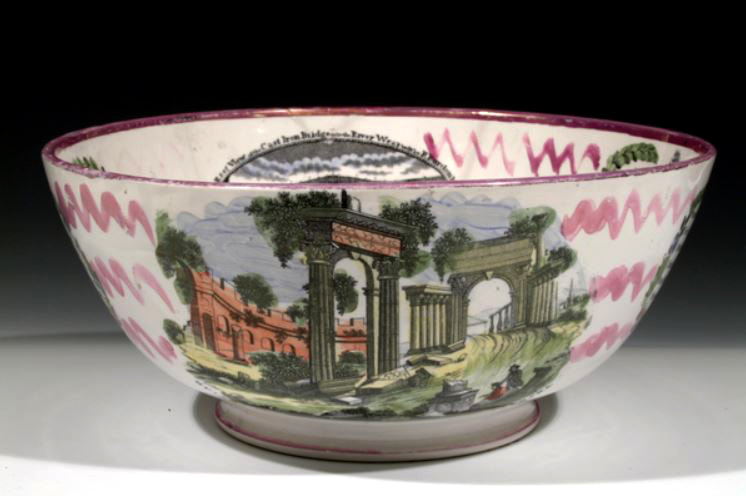
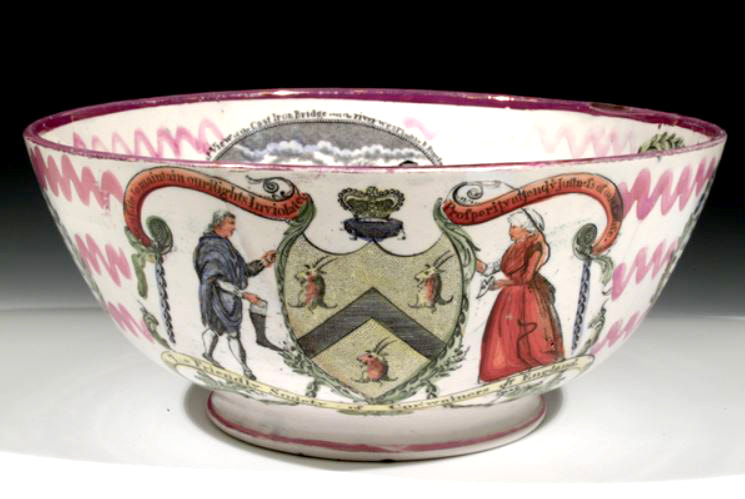
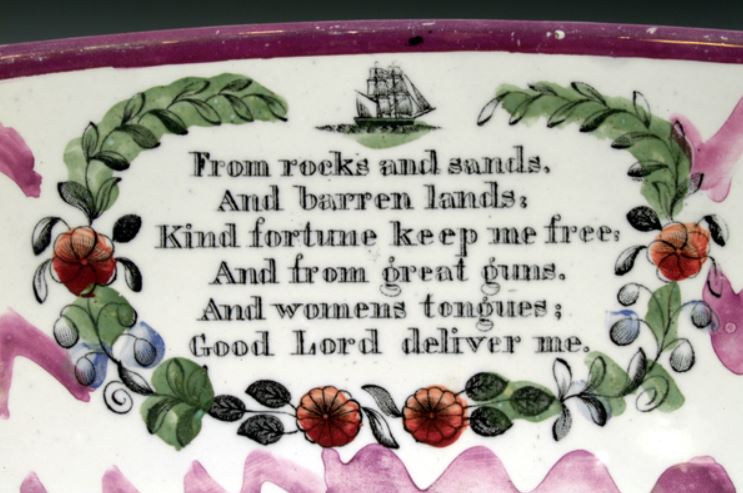
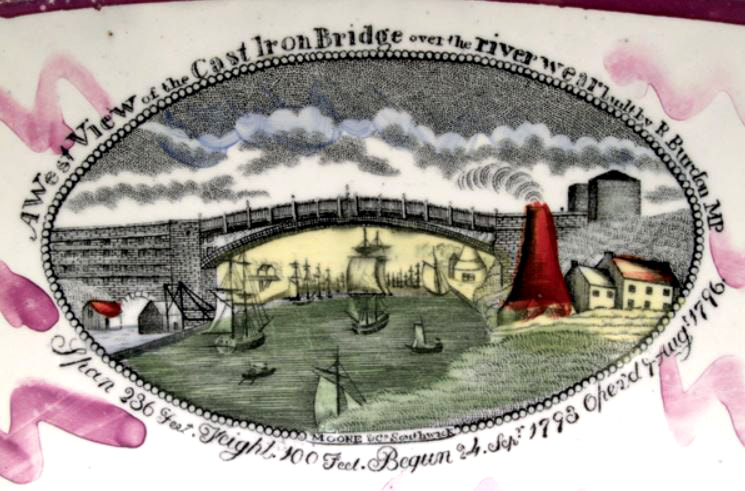
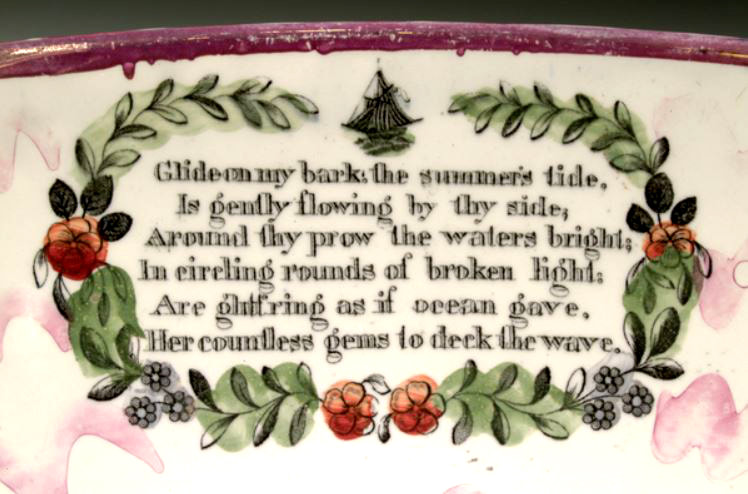
The bowl below, from the Sunderland Museum & Winter Gardens, Tyne & Wear Archives & Museums collection, has rare transfers: top left below, Ruins of Palmyra; top right, Friendly Society of Cordwainers. There is also an 'West View' of the bridge (bridge 38),
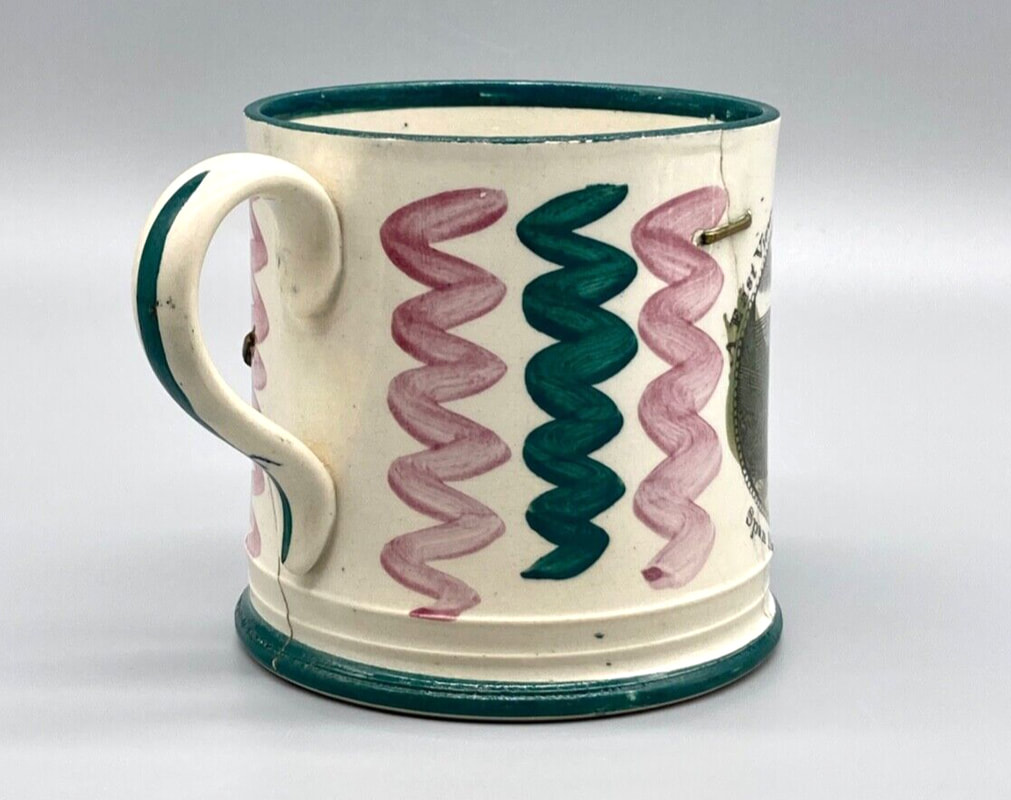
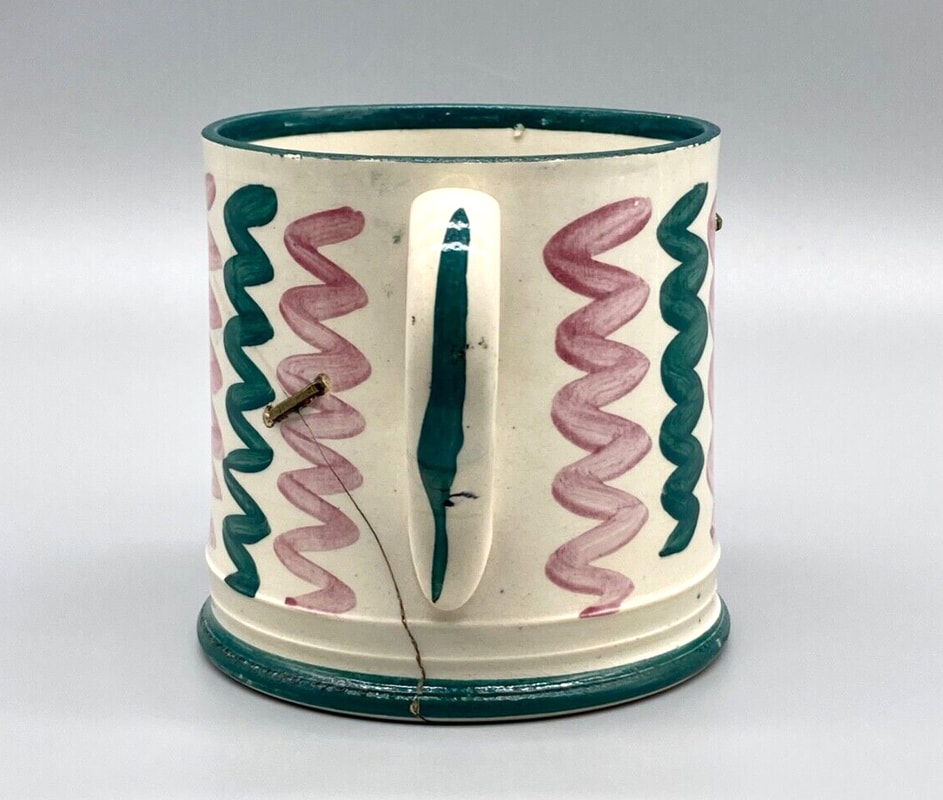
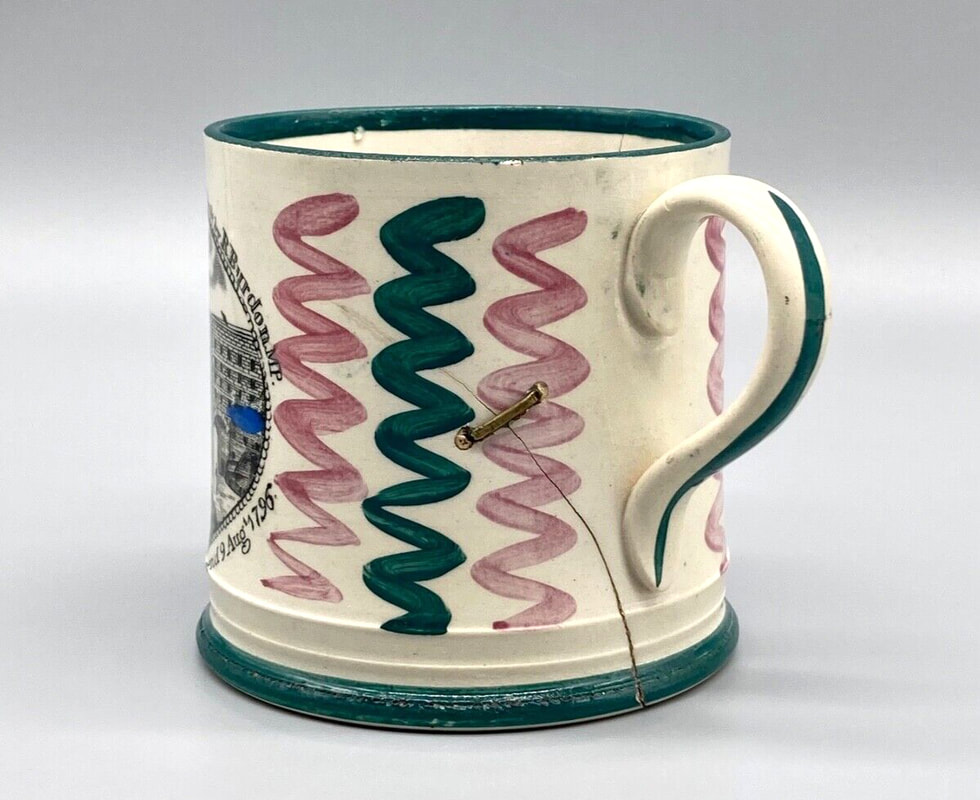
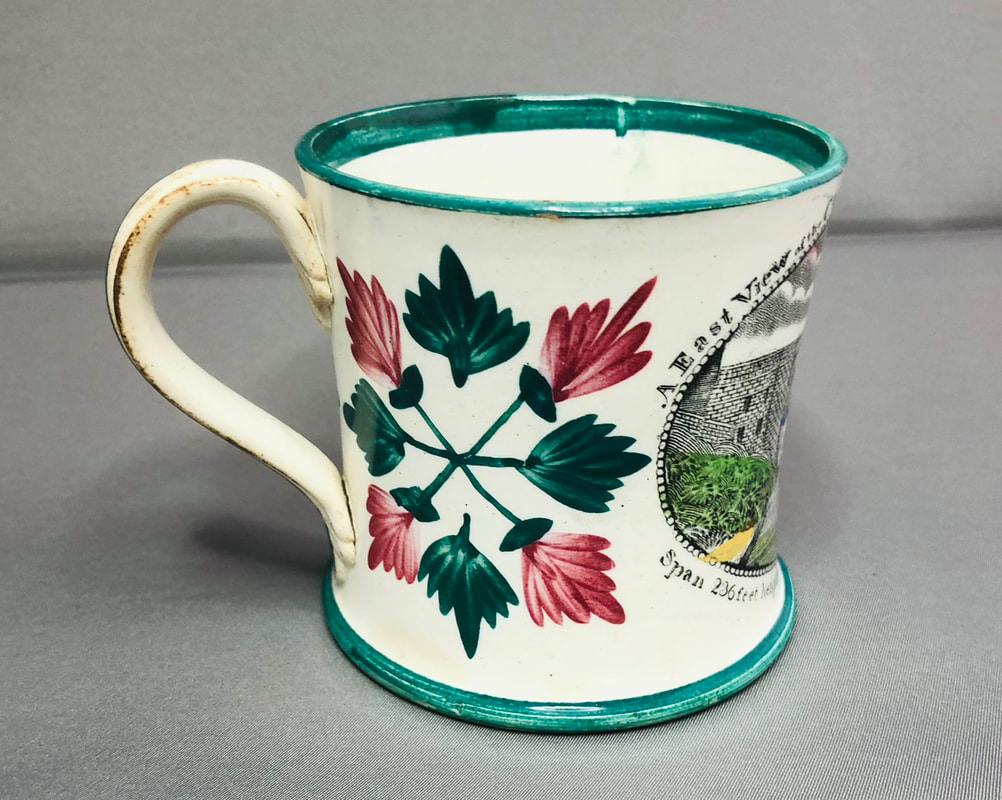
Below two mugs with the transfer. They both have distinctive enamel decoration used by Moore's during the late 1830s and 1840s. The first is from the Sunderland Museum & Winter Gardens, Tyne & Wear Archives & Museums collection.

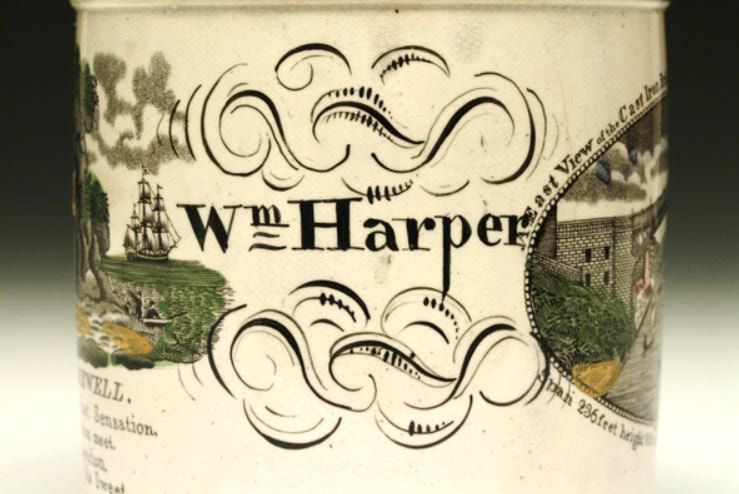
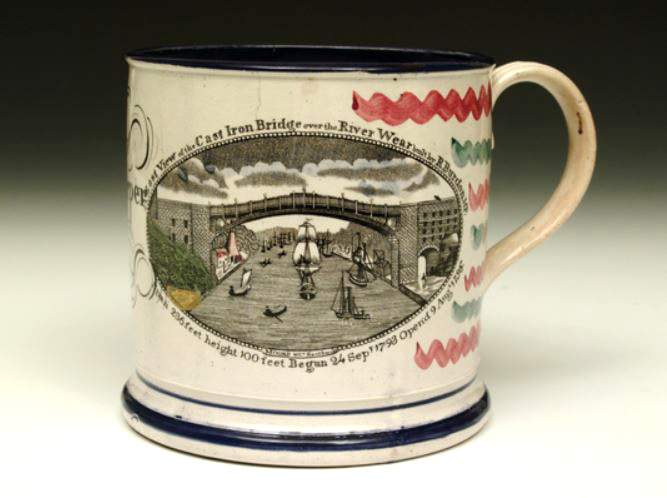
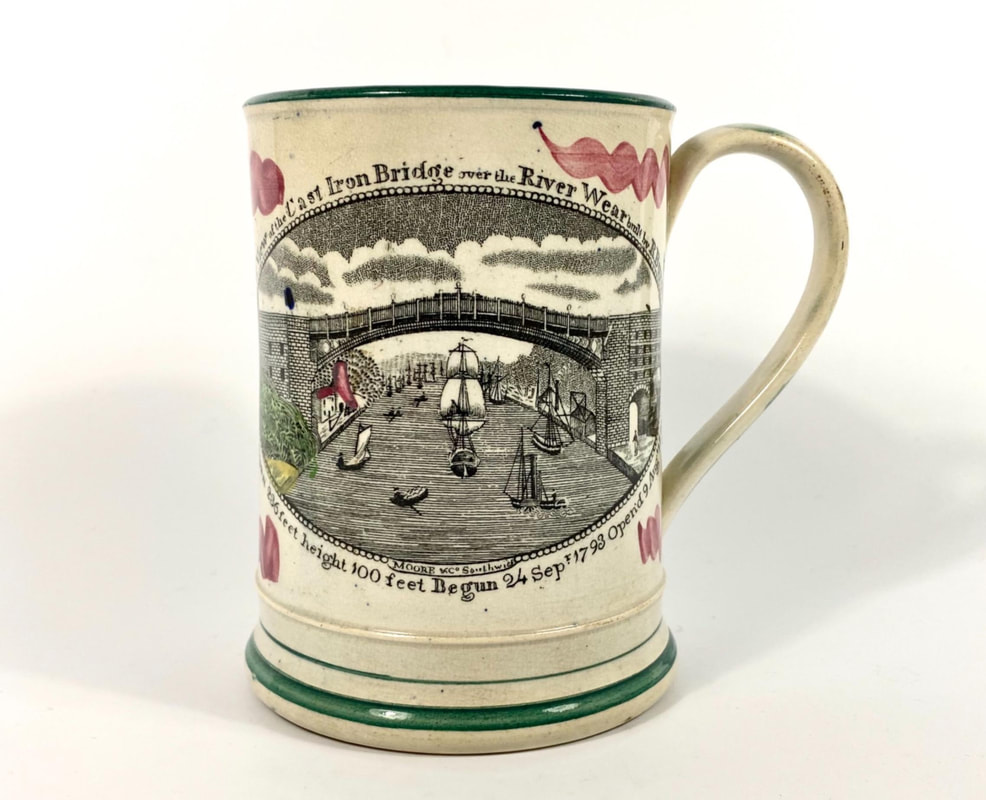

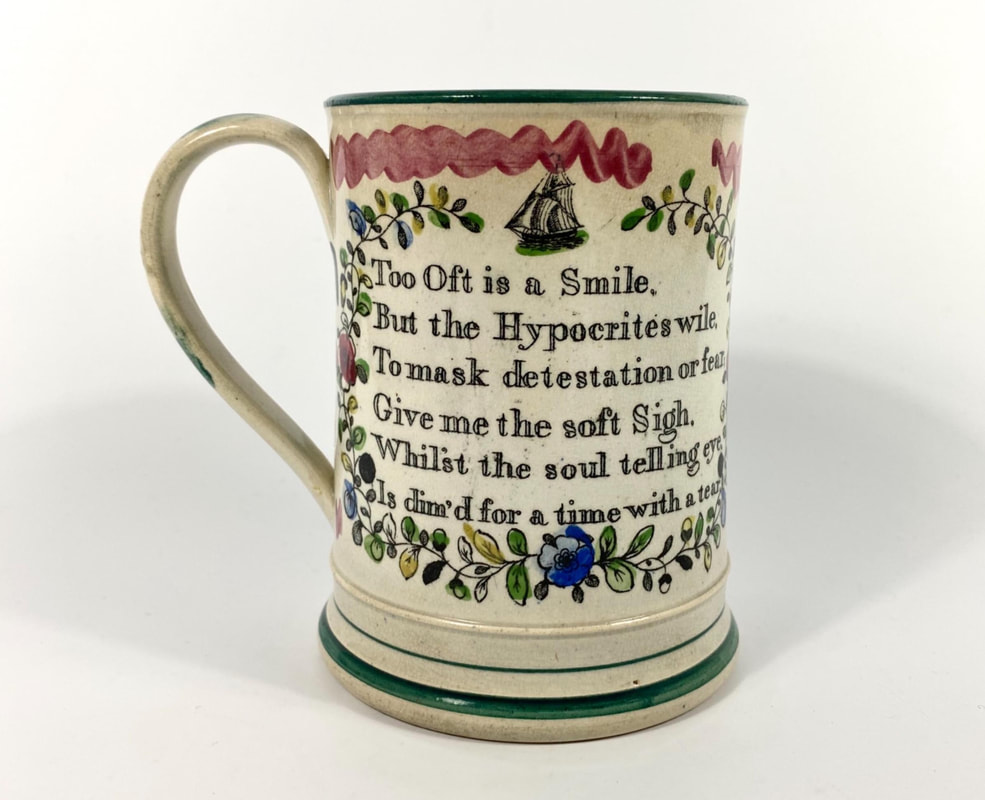


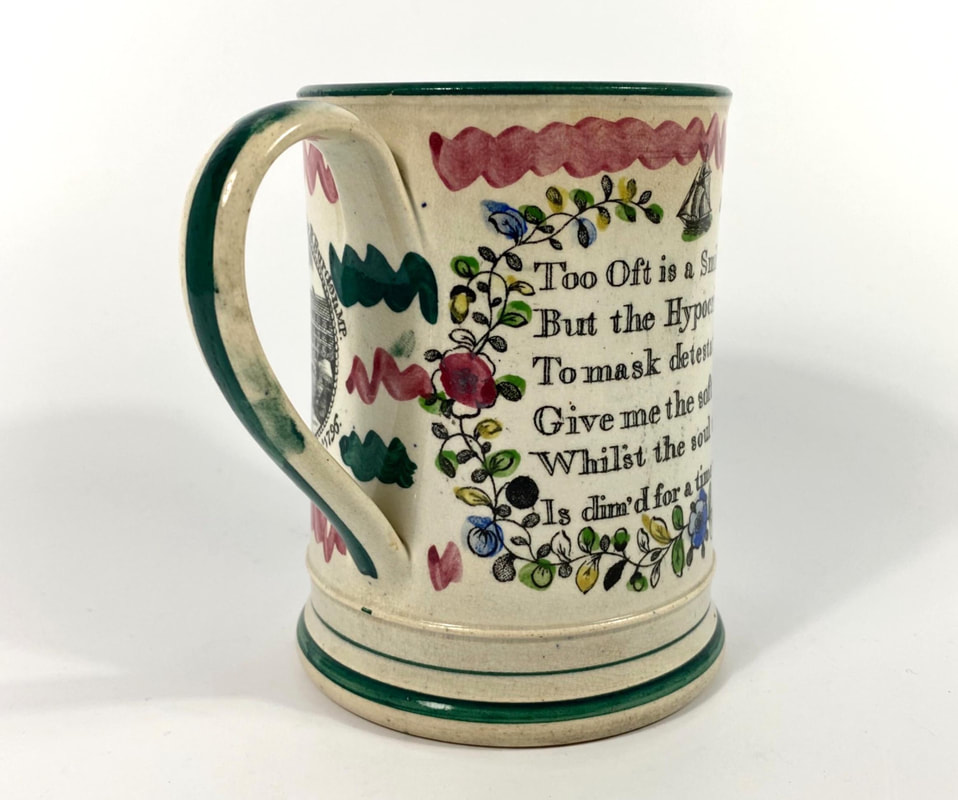
Below two smaller mugs with red and green enamel decoration.
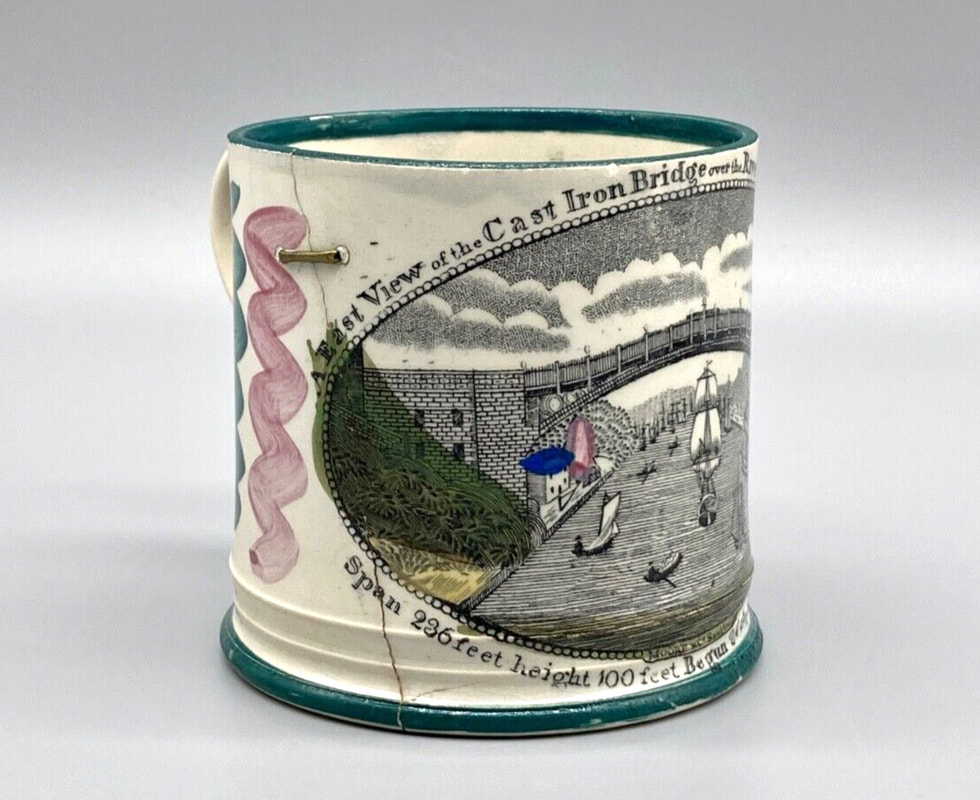
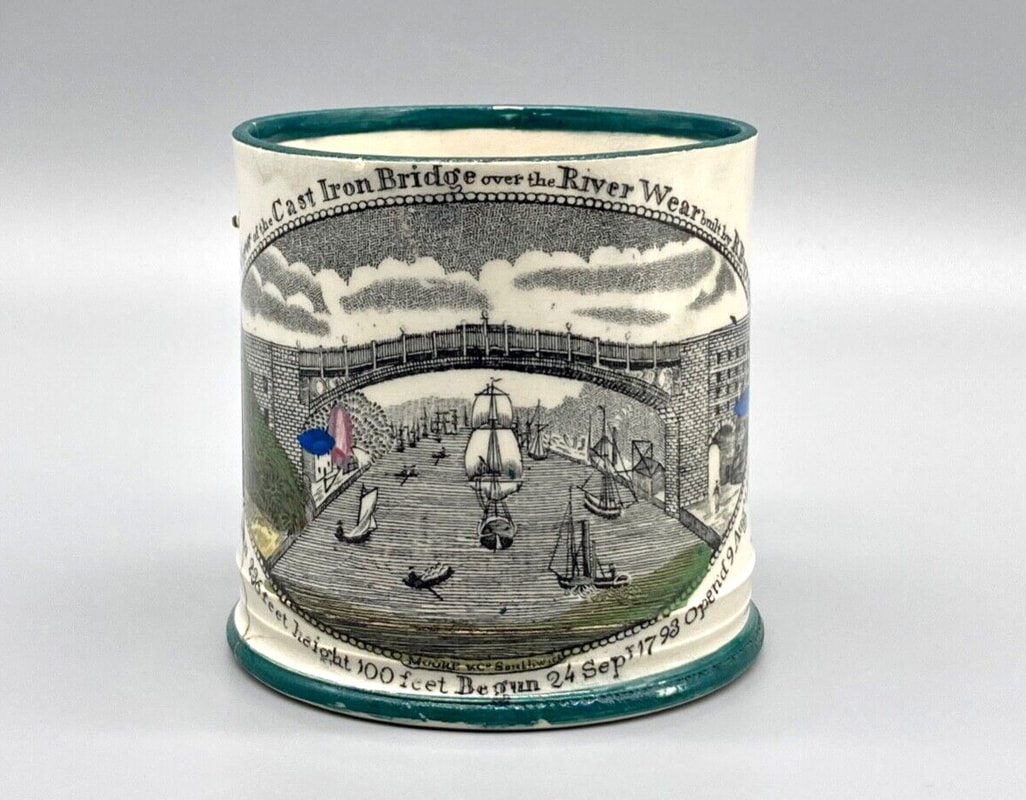
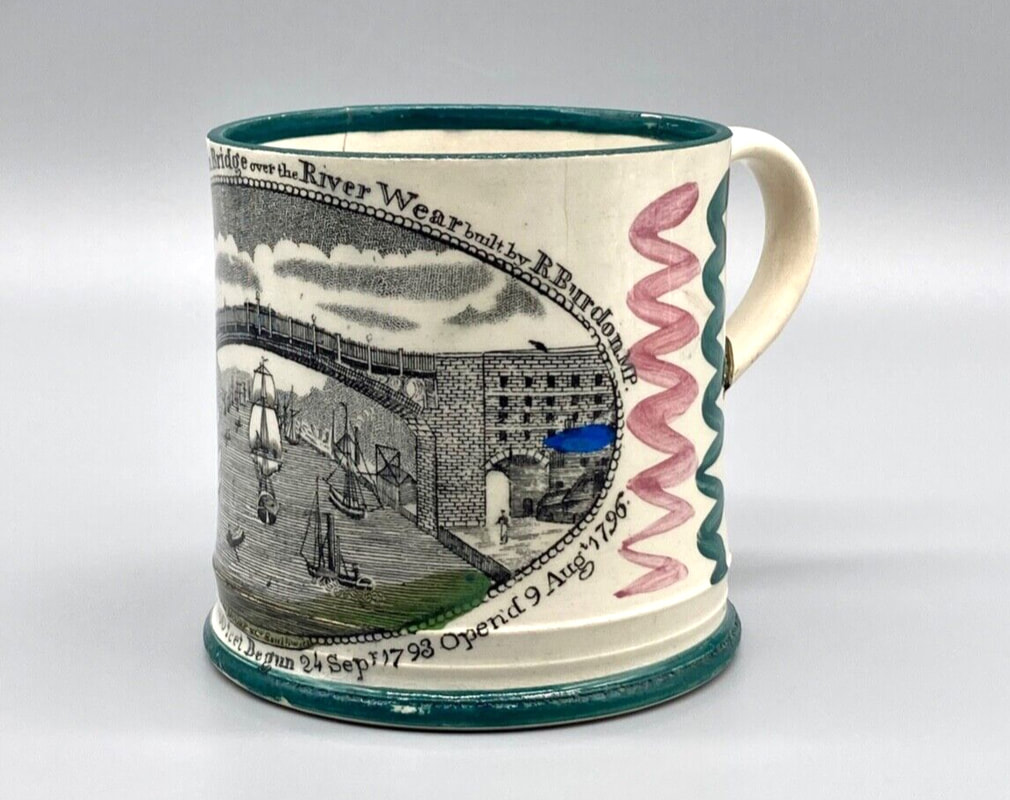
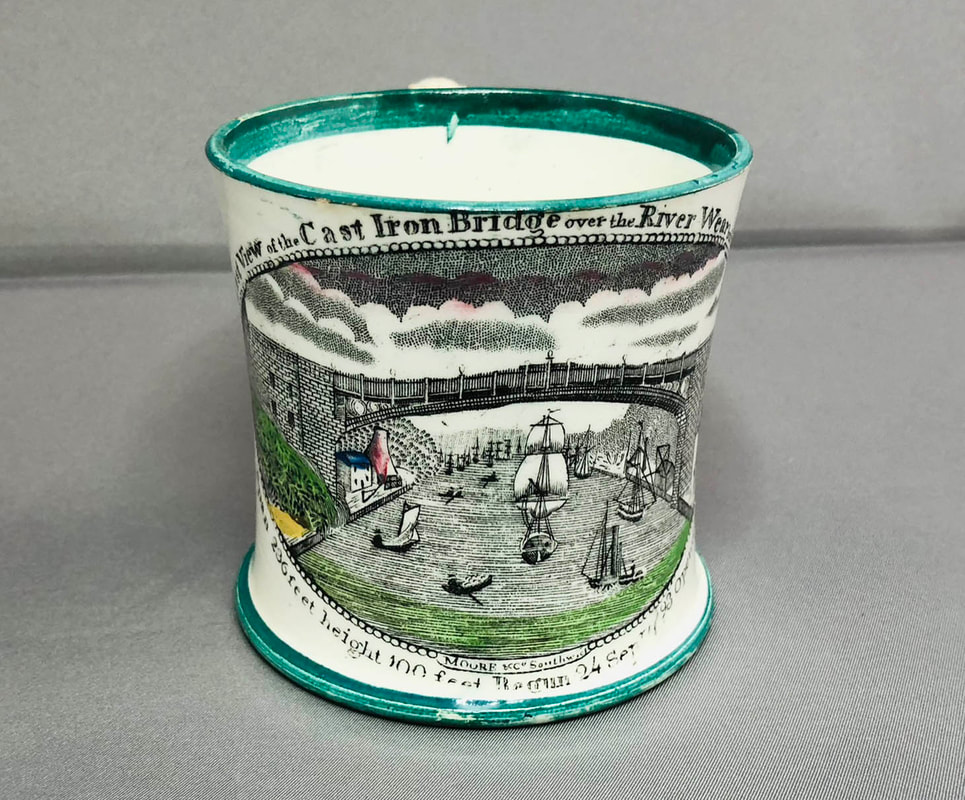
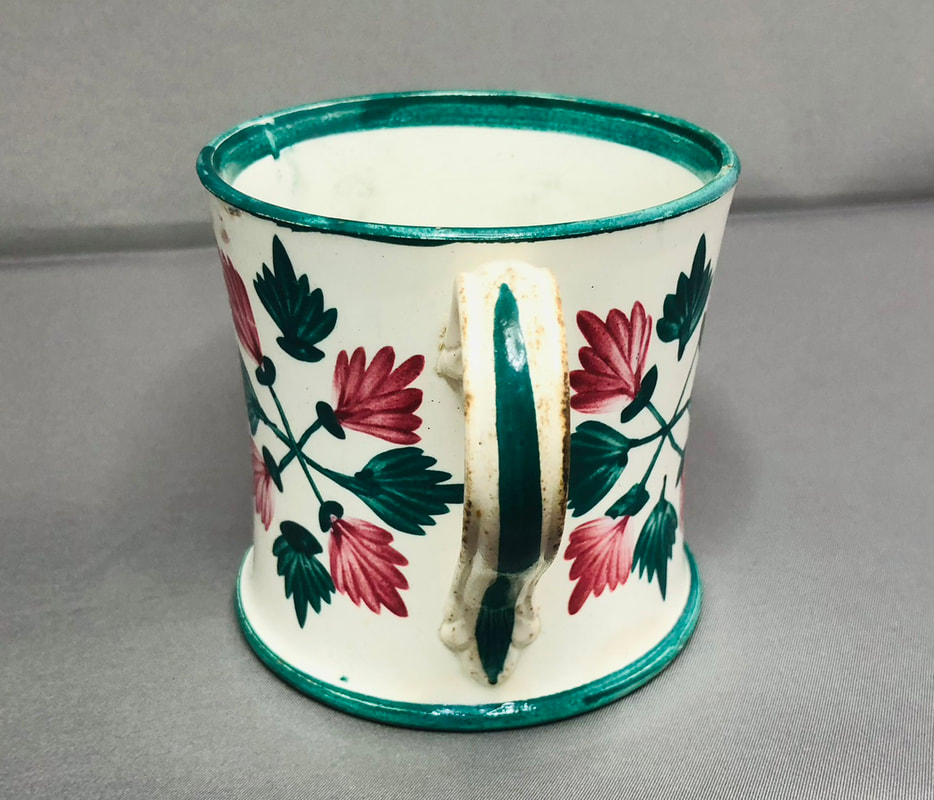
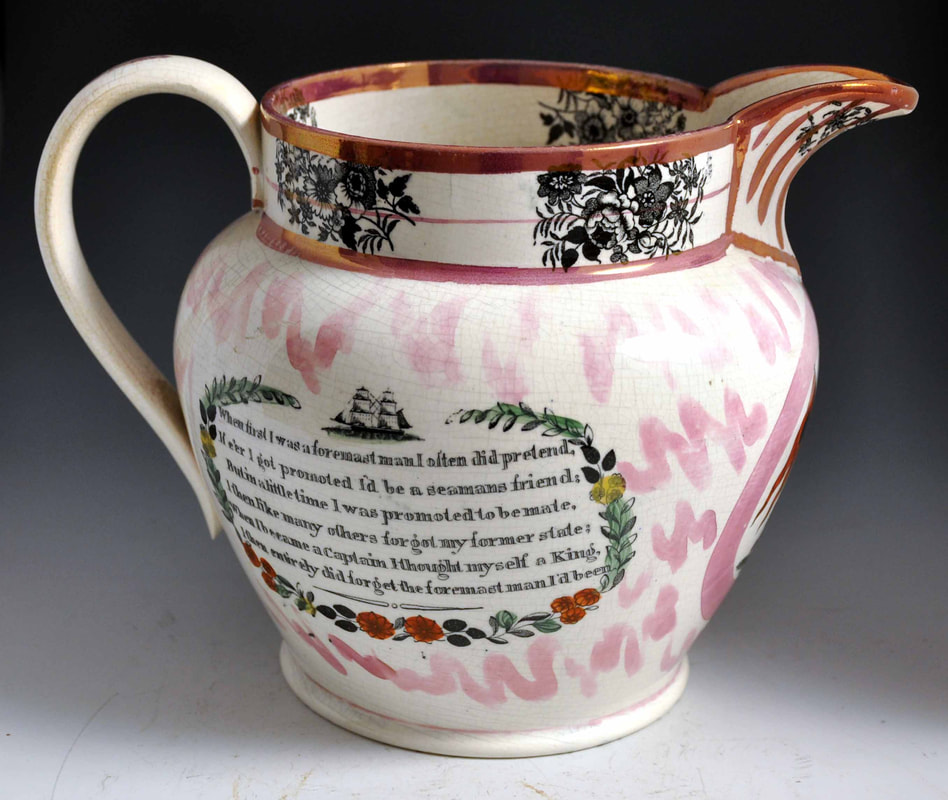
A small jug with blue and red enamel decoration, and printed flowers around the collar.
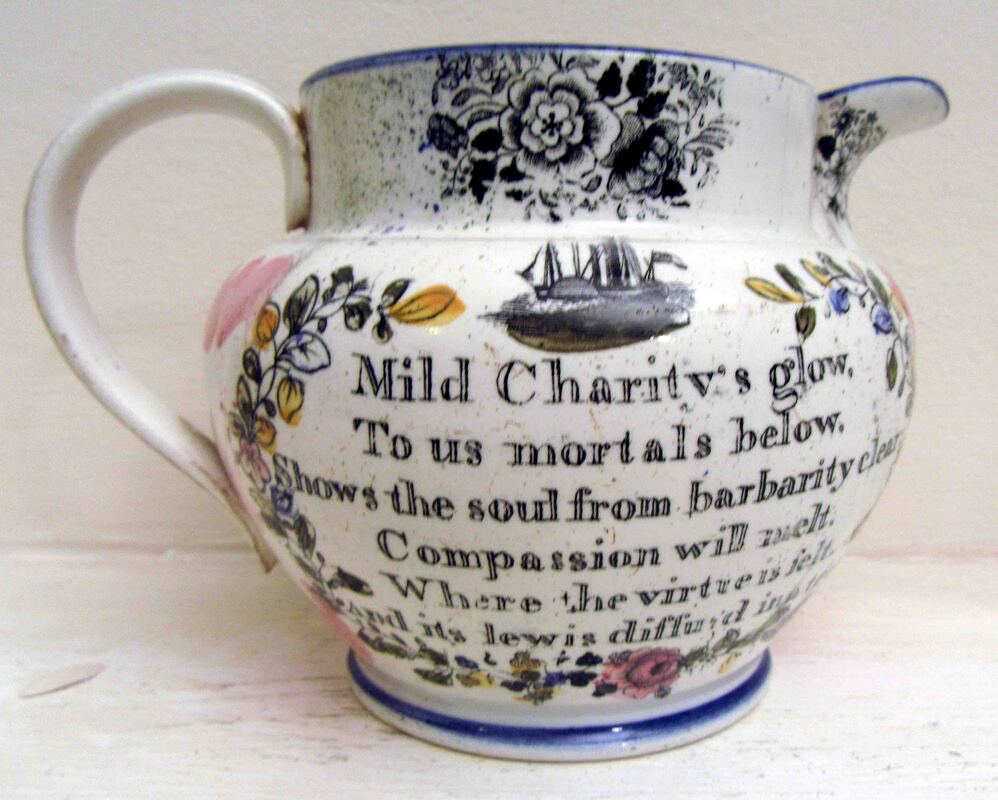
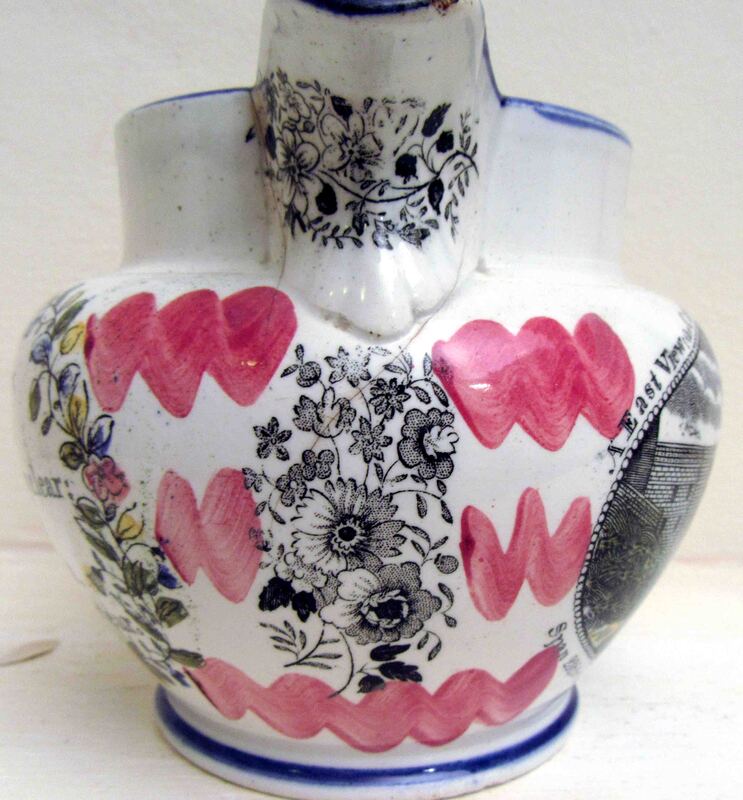
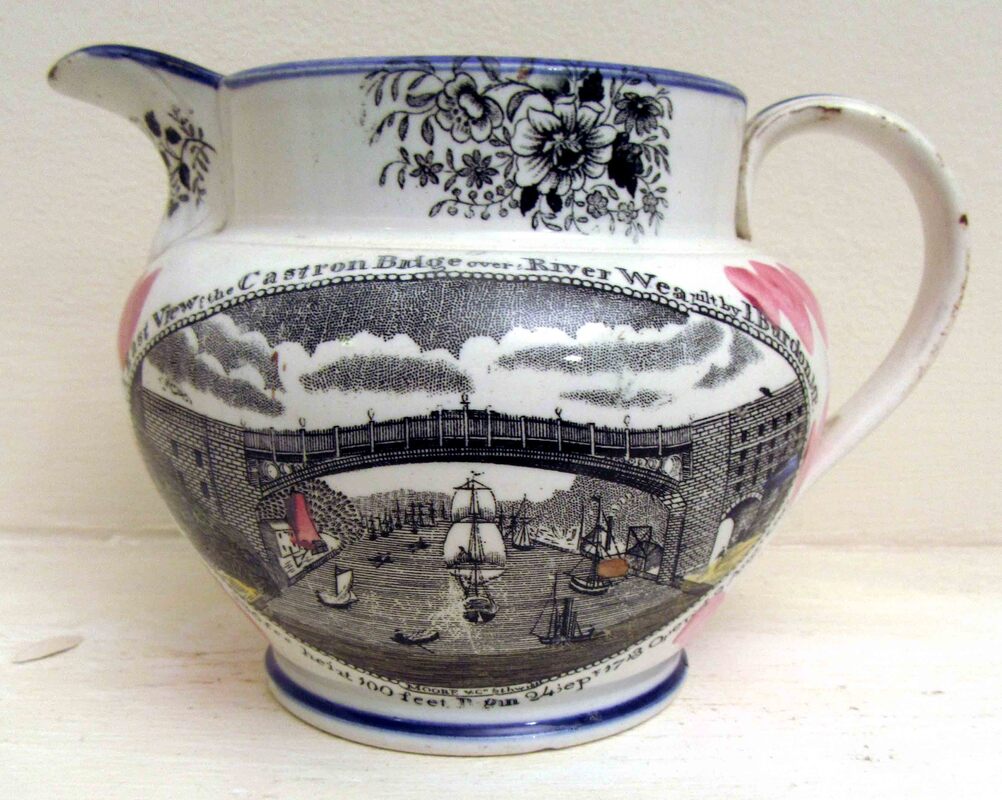
A rare, maybe even unique, jug of unusual shape, with a mask at the foot of a moulded handle, and an inscription 'A present for my Mother'. This is the only recorded jug of this form in pink lustre, and the only known example with a transfer on the base.

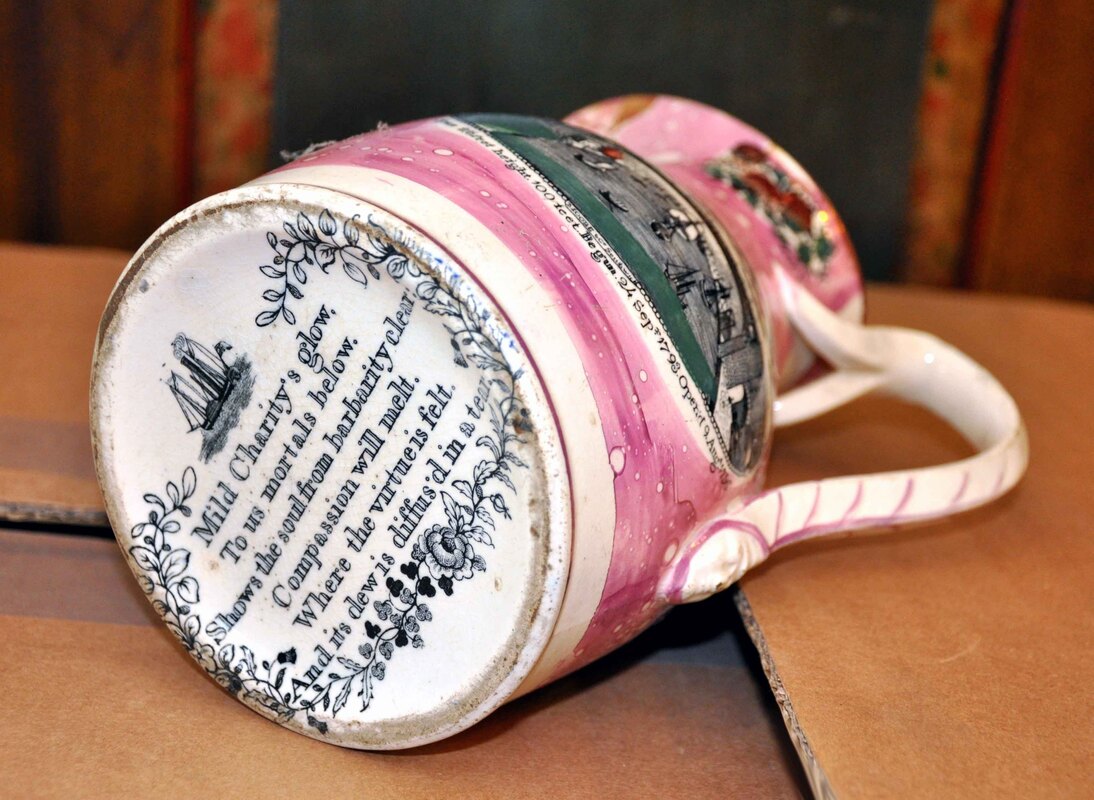
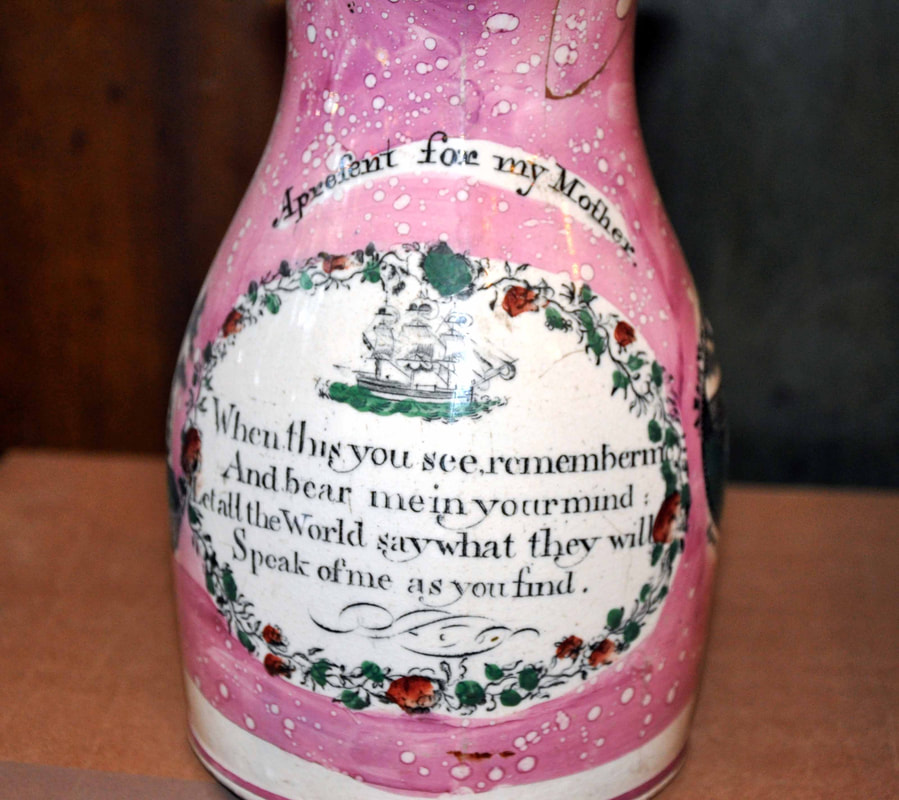
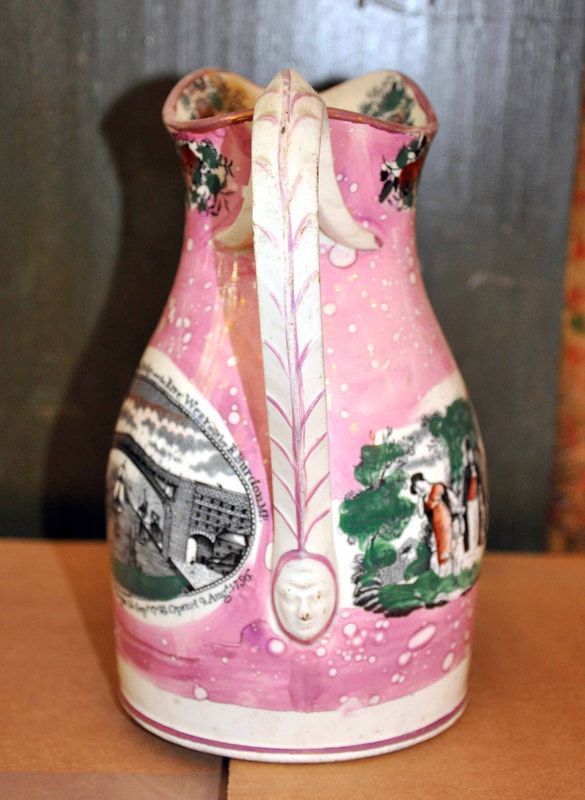
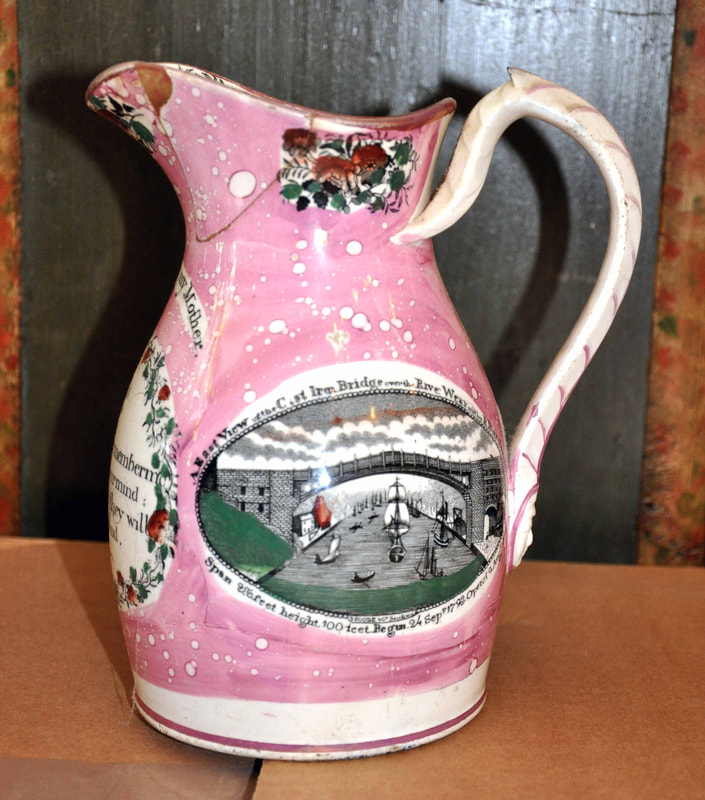
Below, a plaque with the transfer. The fine pink-lustre decoration suggests the 1840s.
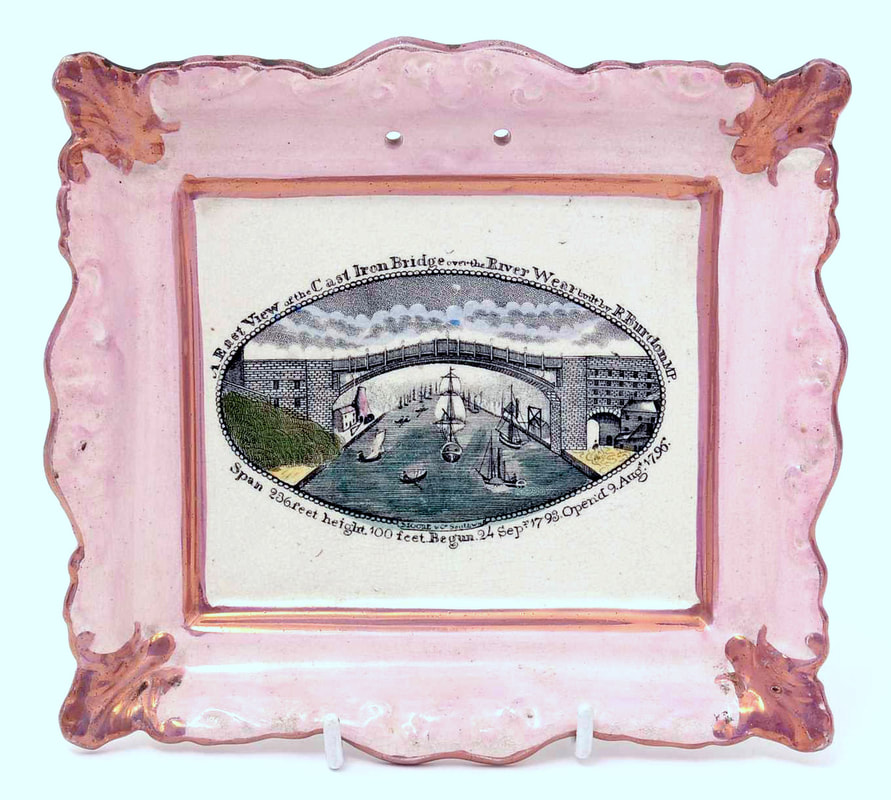
Photo Anderson and Garland
Three further items decorated with printed flowers. The second jug has a Crimean transfer, c1855.
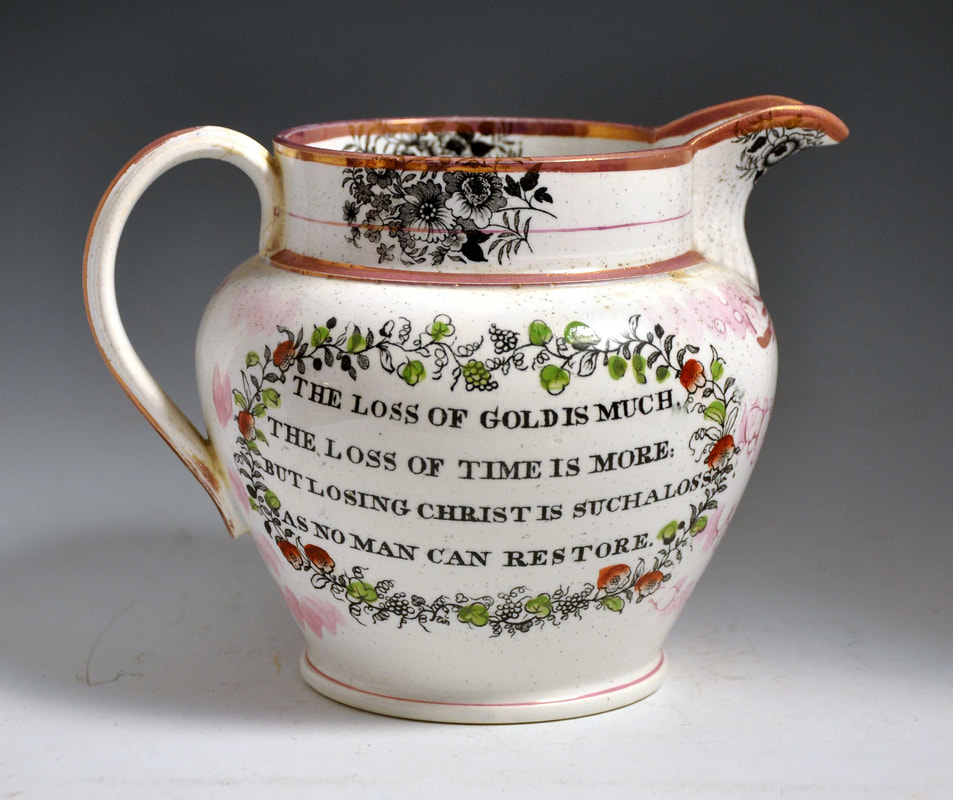
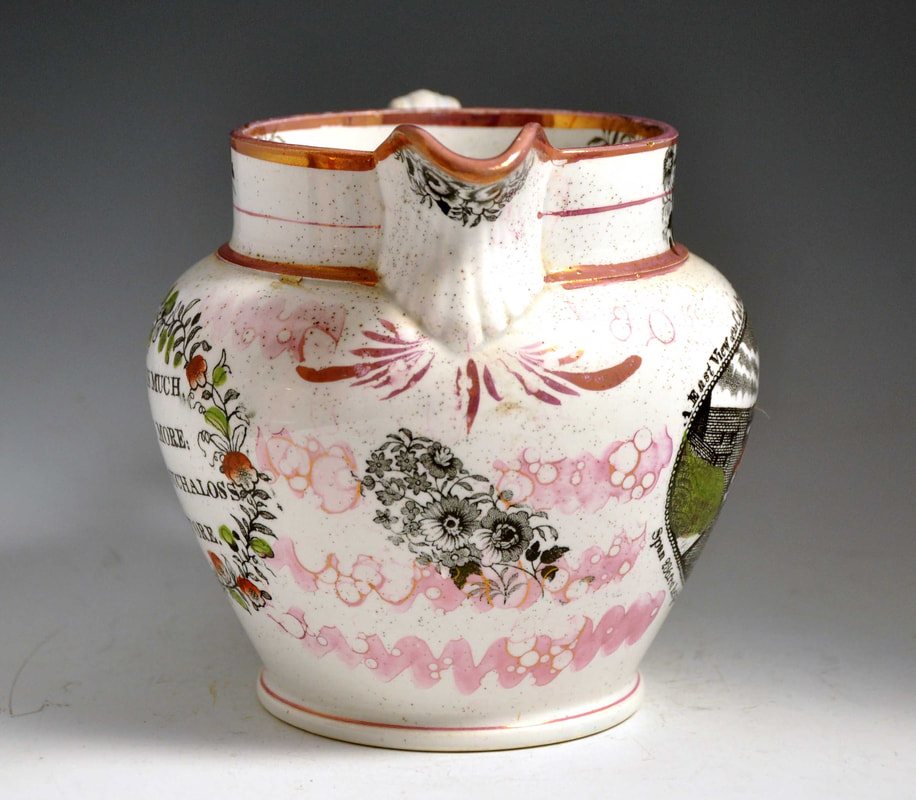
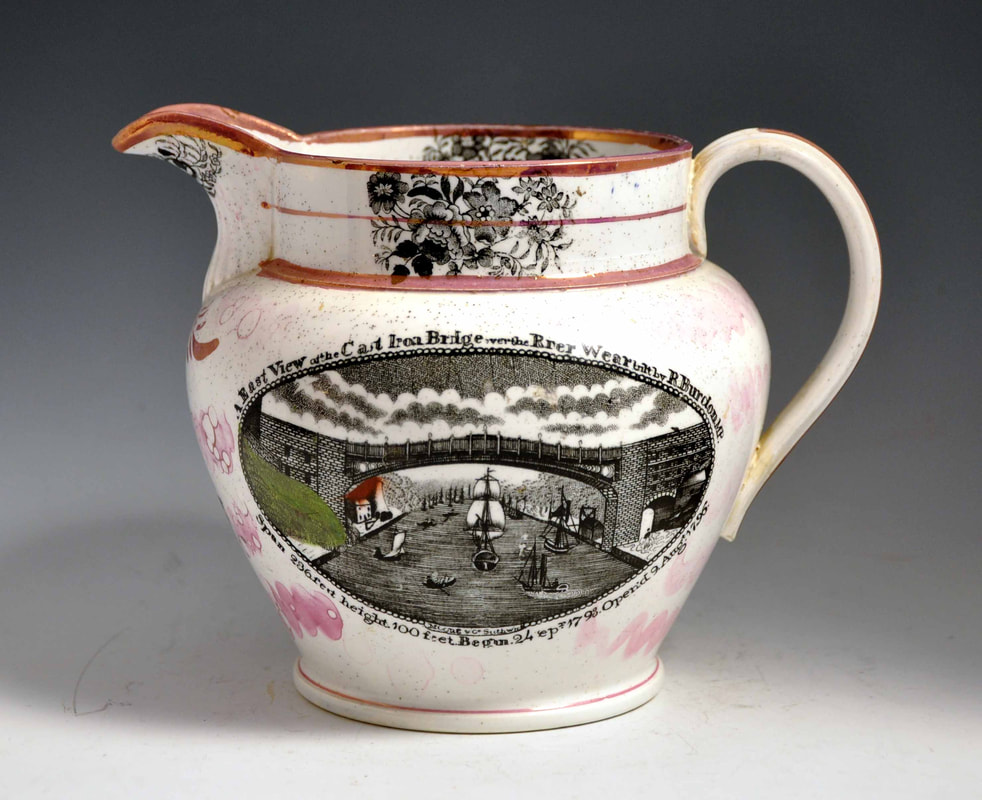
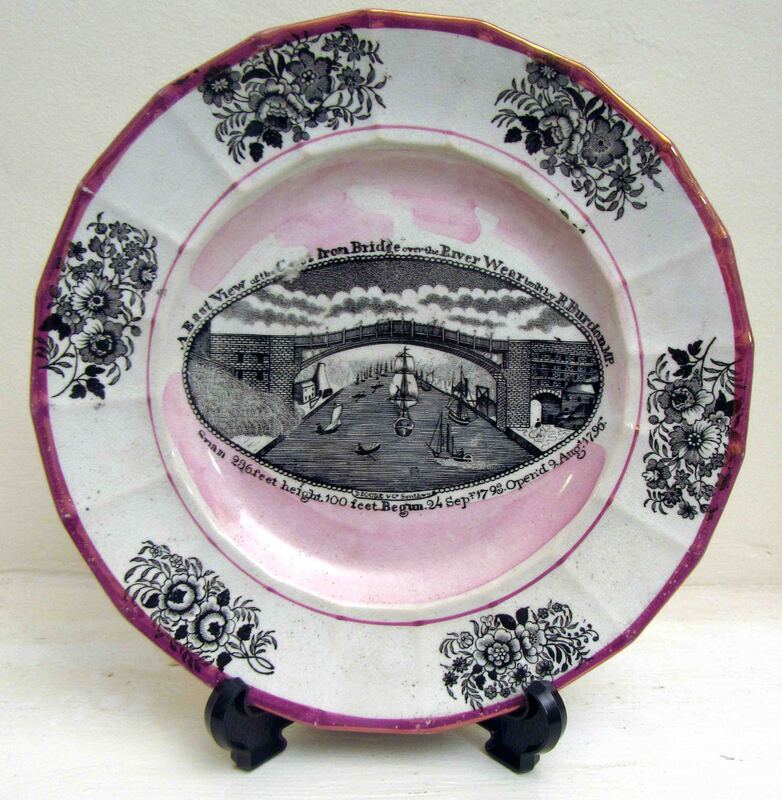
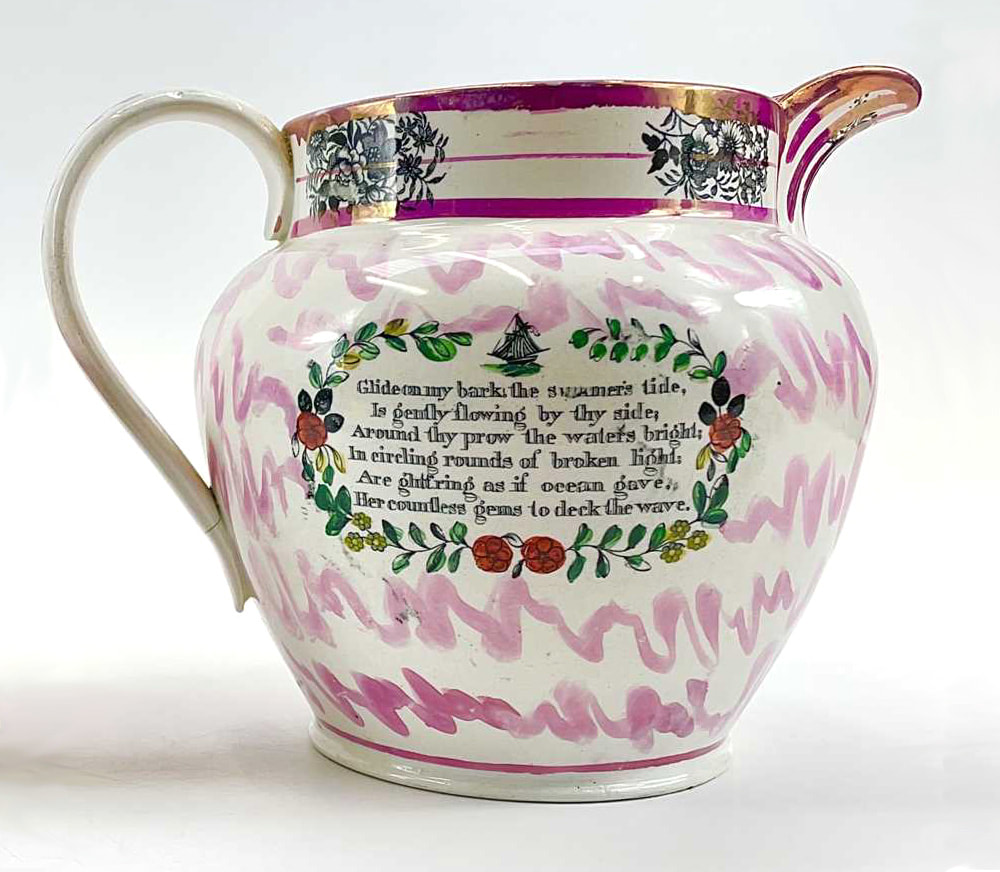
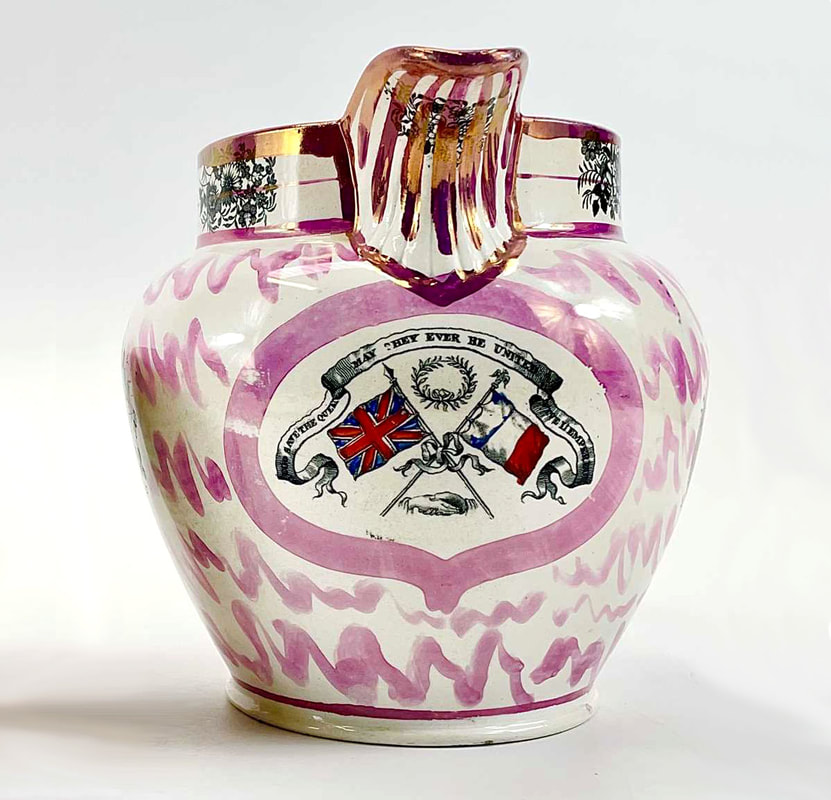
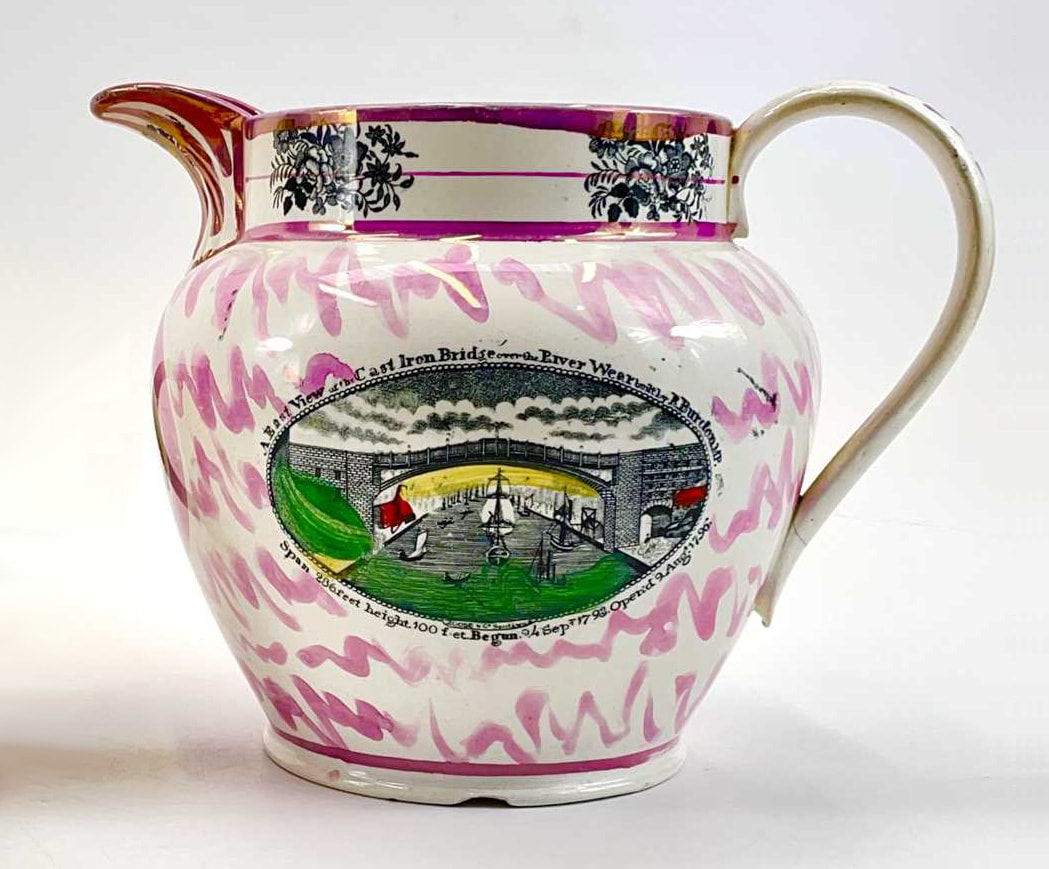
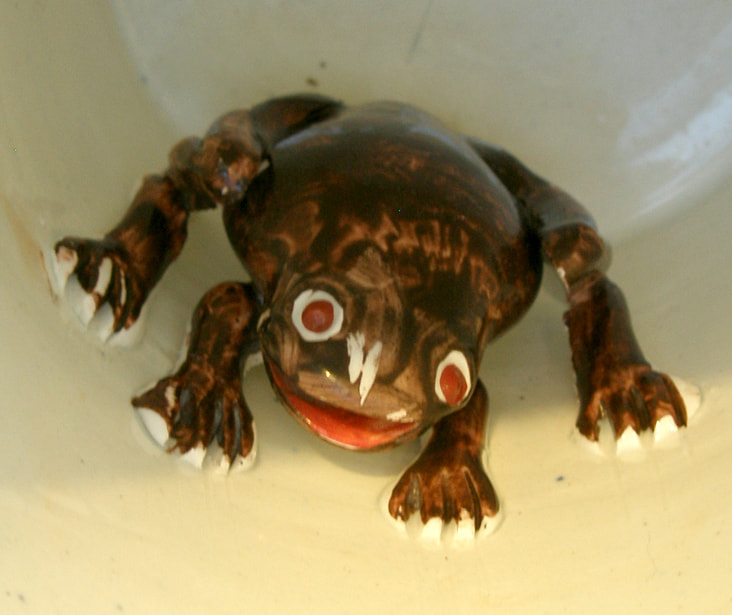
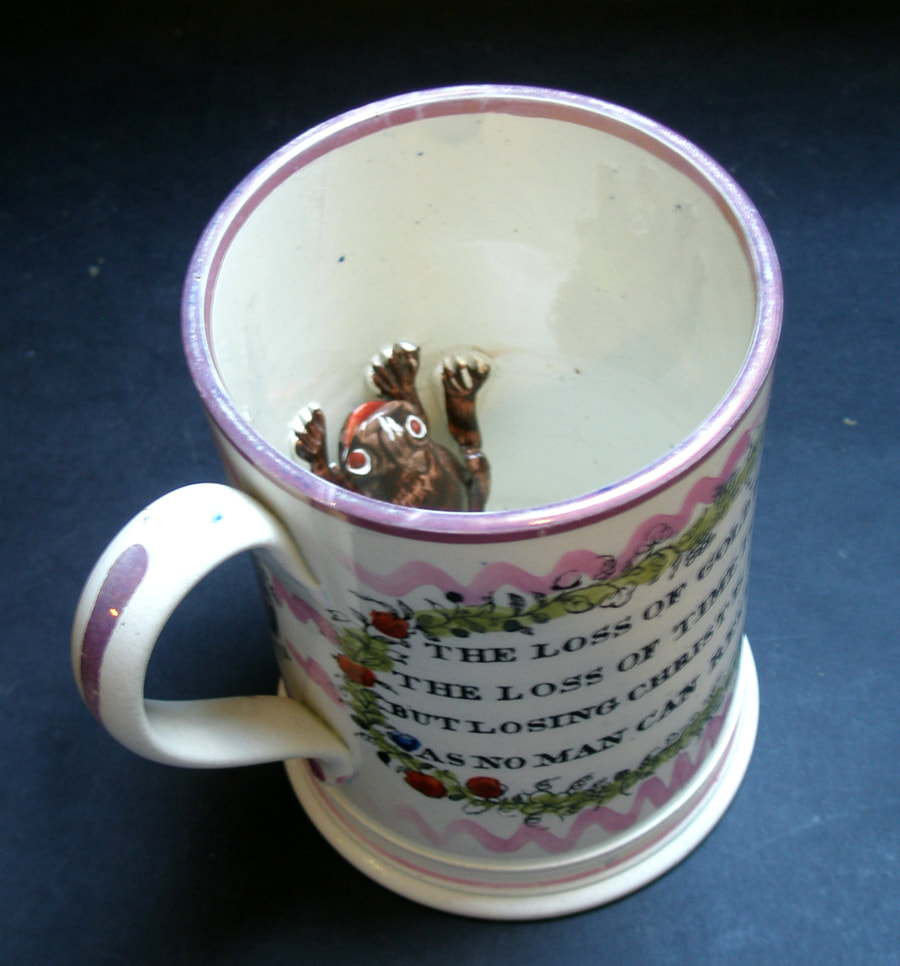
Another frog mug with the transfer, and zig-zag lustre decoration typical of Moore's.

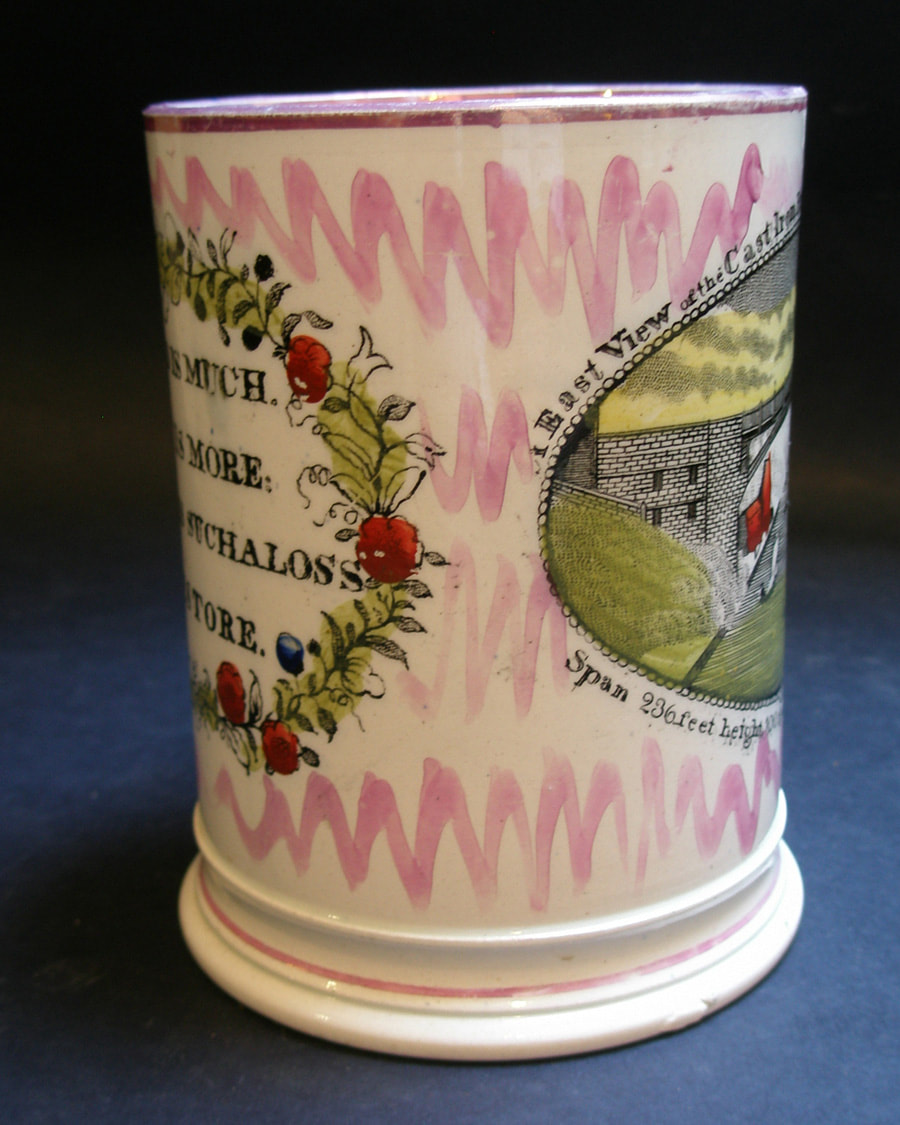


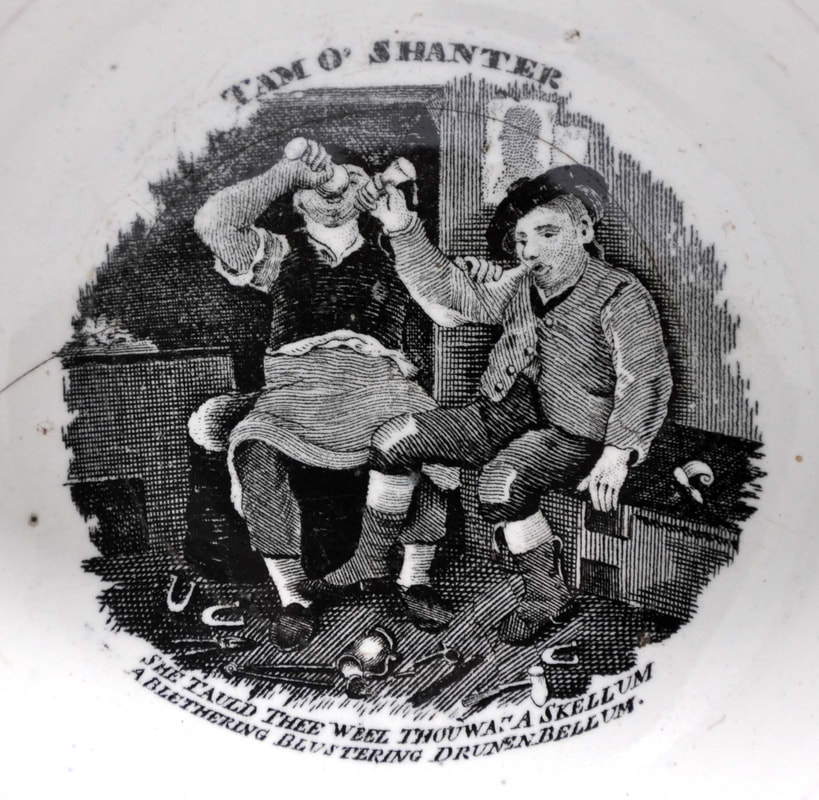
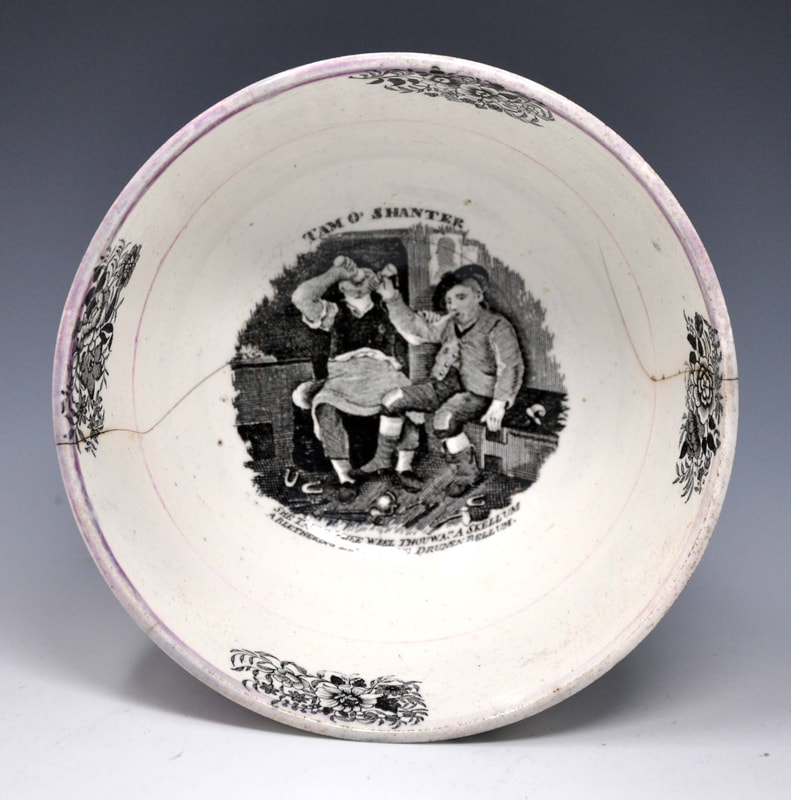
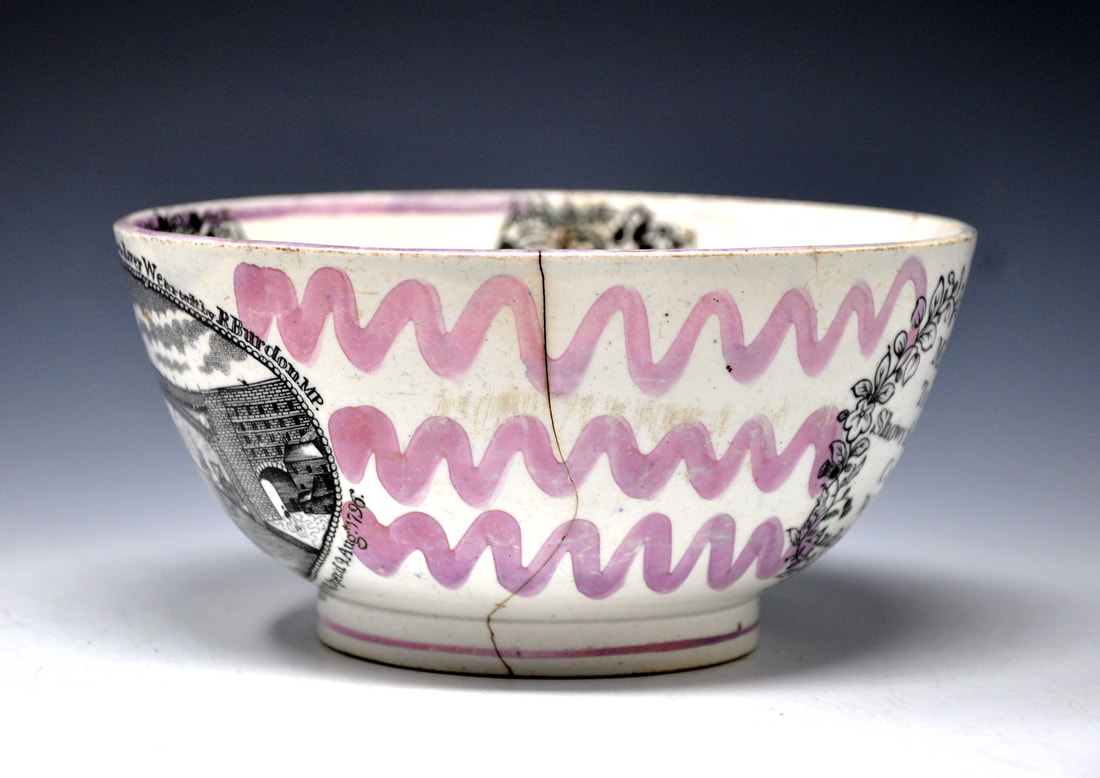
The Bridge 8 transfer with a very rare Robert Burns 'Tam O' Shanter' transfer.